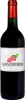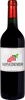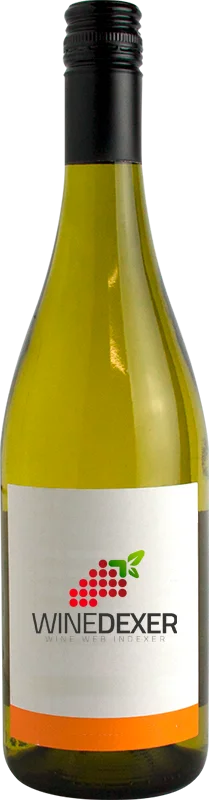
Winery Vinivl'Escargot Manqué
 White wine
In the mouth this white wine is a powerful.
This wine generally goes well with pork, vegetarian or poultry.
Taste structure of the l'Escargot Manqué from the Winery Viniv
Light | Bold | |
Dry | Sweet | |
Soft | Acidic |
In the mouth the l'Escargot Manqué of Winery Viniv in the region of Bordeaux is a powerful.
Food and wine pairings with l'Escargot Manqué
Pairings that work perfectly with l'Escargot Manqué



Original food and wine pairings with l'Escargot Manqué


The l'Escargot Manqué of Winery Viniv matches generally quite well with dishes of pork, vegetarian or poultry such as recipes of coconut from paimpol, quiche with leeks and fresh salmon from flo or leek pie.
Details and technical informations about Winery Viniv's l'Escargot Manqué.
Discover the grape variety: Picolit blanc
A very old grape variety, probably already known to the Romans, and most certainly of Italian origin, from Friuli to be precise. The Hungarian Keknyelu is said to be the same variety, but this remains to be confirmed. It is almost unknown in France and even in the wine world, perhaps because of its low production and its sensitivity to various diseases. It should be noted that it is not related to the black picolit.
Informations about the Winery Viniv
The Winery Viniv is one of of the world's greatest estates. It offers 20 wines for sale in the of Bordeaux to come and discover on site or to buy online.

The wine region of Bordeaux
Bordeaux, in southwestern France, is one of the most famous, prestigious and prolific wine regions in the world. The majority of Bordeaux wines (nearly 90% of the production Volume) are the Dry, medium and Full-bodied red Bordeaux blends for which it is famous. The finest (and most expensive) are the wines of the great châteaux of Haut-Médoc and the right bank appellations of Saint-Émilion and Pomerol. The former focuses (at the highest level) on Cabernet Sauvignon, the latter on Merlot.
The word of the wine: Classified growth
Place name or castle subject to a classification (Médoc classification of 1855, classified growths of Alsace...)