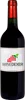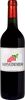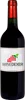
Winery Vinification LudwigshoheWild Cuvée Rotwein
 Red wine
This wine is a blend of 2 varietals which are the Cabernet-Cubin and the Merlot.
This wine generally goes well with vegetarian, beef or game (deer, venison).

Food and wine pairings with Wild Cuvée Rotwein
Pairings that work perfectly with Wild Cuvée Rotwein



Original food and wine pairings with Wild Cuvée Rotwein
The Wild Cuvée Rotwein of Winery Vinification Ludwigshohe matches generally quite well with dishes of beef, game (deer, venison) or vegetarian such as recipes of barbecue burger, wild boar stew marinated in red wine or tuna, pepper and tomato quiche.
Details and technical informations about Winery Vinification Ludwigshohe's Wild Cuvée Rotwein.
Discover the grape variety: Cabernet-Cubin
Intensely coloured and structured reds with an inky, near-black robe, firm tannins and a dense mouthfeel, with aromas of blackcurrant, blackberry, black cherry, plum, spices, black pepper and balsamic notes reminiscent of Cabernet Sauvignon. Grown mainly in Germany (Württemberg, Palatinate) for modern dry reds and tannic blends. A German hybrid created in 1970 at Weinsberg (Blaufränkisch × Cabernet Sauvignon), valued for its resistance and structure.
Informations about the Winery Vinification Ludwigshohe
The Winery Vinification Ludwigshohe is one of of the world's greatest estates. It offers 10 wines for sale in the of Pfalz to come and discover on site or to buy online.

The wine region of Pfalz
Fleshy, dry, fruity Riesling is the region's signature: yellow peach, apricot, ripe citrus, lovely mineral tension. Germany's largest red-wine area (40%), with silky Spätburgunder showing red fruit and spice, darker structured Dornfelder, supple Portugieser. Some rounded Pinot Blanc and Pinot Gris. A 23,640 ha vineyard along the Haardt, among Germany's warmest (>2,000 h of sun).
The word of the wine: Bleeding
Old practice for red wines. As soon as the vat is filled with grapes, the tap is opened. A sweet but clear juice escapes from the vat (it can also be used to make rosé). The colour and density of the juice is enhanced, but it should not be overdone. Rarely more than 10% of the volume of a vat, otherwise you risk losing fruit and bringing in bitterness.