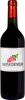
Winery VinartisEl Sotillo Tinto Cosecha
 Red wine


In the mouth this red wine is a with a nice freshness.
This wine generally goes well with poultry, beef or veal.

Taste structure of the El Sotillo Tinto Cosecha from the Winery Vinartis
Light | Bold | |
Smooth | Tannic | |
Dry | Sweet | |
Soft | Acidic |
In the mouth the El Sotillo Tinto Cosecha of Winery Vinartis in the region of Vinos de Pago is a with a nice freshness.
Food and wine pairings with El Sotillo Tinto Cosecha
Pairings that work perfectly with El Sotillo Tinto Cosecha



Original food and wine pairings with El Sotillo Tinto Cosecha

The El Sotillo Tinto Cosecha of Winery Vinartis matches generally quite well with dishes of beef, pasta or veal such as recipes of dombrés and pig tails, wok of chinese noodles with vegetables or shoulder of lamb stuffed with cognac.
Details and technical informations about Winery Vinartis's El Sotillo Tinto Cosecha.
Discover the grape variety: Fuëlla nera
Light, elegant reds with a clear ruby colour, fine, silky tannins and an airy palate with fresh acidity, signature aromas of red fruits (cherry, raspberry), spices (pepper), garrigue and Mediterranean notes. Airy profile. Star of the AOC Bellet appellation, a typical expression of the Nice terroir, it defines the viticultural identity of the French Riviera. Indigenous French black variety from the Alpes-Maritimes (Folle Noire), grown almost exclusively at Bellet.
Last vintages of this wine
The best vintages of El Sotillo Tinto Cosecha from Winery Vinartis are 2018, 0
Informations about the Winery Vinartis
The Winery Vinartis is one of of the world's greatest estates. It offers 15 wines for sale in the of Vinos de Pago to come and discover on site or to buy online.

The wine region of Vinos de Pago
Top of the Spanish quality pyramid (above DOCa and DO), reserved for 25 exceptional estates. Estate wines, grapes and vinification exclusively on site, 10 years of track record. All styles: concentrated, barrel-aged Cabernet, Syrah and Tempranillo reds (Dominio de Valdepusa, Arínzano, Pago de Otazu), maker's blends, a few ambitious whites. Great stylistic freedom.
The word of the wine: Disorder
Said of a wine that is not clear due to the presence of colloidal suspensions that prevent the passage of light.