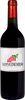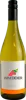
Winery Vinařství Trávníček & KořínekFrankovka
 Red wine



This wine generally goes well with pork, rich fish (salmon, tuna etc) or mature and hard cheese.

Food and wine pairings with Frankovka
Pairings that work perfectly with Frankovka



Original food and wine pairings with Frankovka
The Frankovka of Winery Vinařství Trávníček & Kořínek matches generally quite well with dishes of pork, rich fish (salmon, tuna etc) or mature and hard cheese such as recipes of cassoulet, salmon in foil in the microwave or hot asparagus with comté cheese.
Details and technical informations about Winery Vinařství Trávníček & Kořínek's Frankovka.
Discover the grape variety: Malvasia bianca di Basilicata
Rich, aromatic whites with a golden robe, an ample palate with moderate acidity, and signature aromas of yellow fruits (peach, apricot), almonds, white flowers (acacia) and honeyed notes. Also vinified as rich passito liqueur wines. Expresses itself particularly well in the whites of Vulture and Matera, marking the typical wines of southern Lucania. Malvasia variety grown in Basilicata, southern Italy.
Last vintages of this wine
The best vintages of Frankovka from Winery Vinařství Trávníček & Kořínek are 0
Informations about the Winery Vinařství Trávníček & Kořínek
The Winery Vinařství Trávníček & Kořínek is one of of the world's great estates. It offers 24 wines for sale in the of Morava to come and discover on site or to buy online.

The wine region of Morava
Predominantly white region, lively and mineral: crisp, peppery Grüner Veltliner, taut Riesling with citrus, supple, floral Müller-Thurgau, aromatic Pálava, the local signature (muscat, white flowers). More discreet reds: spicy Frankovka (Blaufränkisch) with black fruits, fine, silky Saint Laurent. Temperate continental climate, 4 sub-regions: Mikulov, Velké Pavlovice, Znojmo, Slovácko. ~96% of the Czech vineyard, 73 grapes grown.
The word of the wine: Aging
Period during which a wine is kept in a cellar where it goes through different phases of evolution of its aromatic range and a maturation of its constituents (evolution of the colour, refining of the tannins, harmonization of the different flavours, etc.). The wine evolves better and less quickly in large containers, whereas it deteriorates prematurely in half-bottles.