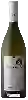
Winery VillanovaFara Blanc
 wine
wine
This wine generally goes well with
The Fara Blanc of the Winery Villanova is in the top 0 of wines of Collio.

Details and technical informations about Winery Villanova's Fara Blanc.
Discover the grape variety: Clarin
Simple and fresh dry whites, pale golden colour, supple mouth with moderate acidity, with understated aromas of citrus and white flowers. Discreet rustic profile. Preserved in a few ampelographic collections as a heritage variety, studied for its genetic and historical interest. Rare and poorly documented white grape grown in very small quantities.
Informations about the Winery Villanova
The Winery Villanova is one of of the world's great estates. It offers 35 wines for sale in the of Collio to come and discover on site or to buy online.

The wine region of Collio
Benchmark for Italy's great whites, the hills of Friuli on the Slovenian border. Precise, structured whites with signature notes of pear, apple, exotic fruit, white flowers, almond and marked saline minerality — the "ponca" (marl-limestone flysch) signs the wines. Serious Pinot Grigio, Friulano (formerly Tocai) with its characteristic almond taste, native saline Ribolla Gialla. Also Sauvignon, Chardonnay, Malvasia.
The wine region of Friuli-Venezia Giulia
Italian benchmark of great whites of elegance and minerality. Emblematic Friulano with notes of fresh almond, pear and white flowers, taut Ribolla Gialla, precise Pinot Grigio, lively Sauvignon and balanced Chardonnay. Rare sweet Picolit (DOCG), saline Malvasia Istriana. Rising reds: fruity spicy Refosco, more tannic Pignolo and Schioppettino.
The word of the wine: Musk
A sensual, full-bodied animal substance used in luxury perfumery, produced by a small deer, the musk deer, also called musk deer.