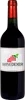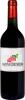
Winery Villa SimoneSyrah
 Red wine



In the mouth this red wine is a powerful with a nice freshness.
This wine generally goes well with poultry, beef or veal.
Taste structure of the Syrah from the Winery Villa Simone
Light | Bold | |
Smooth | Tannic | |
Dry | Sweet | |
Soft | Acidic |
In the mouth the Syrah of Winery Villa Simone in the region of Lazio is a powerful with a nice freshness.
Food and wine pairings with Syrah
Pairings that work perfectly with Syrah



Original food and wine pairings with Syrah

The Syrah of Winery Villa Simone matches generally quite well with dishes of beef, pasta or veal such as recipes of monkfish tagine, ham and cheese macaroni gratin or deer stew.
Details and technical informations about Winery Villa Simone's Syrah.
Discover the grape variety: Freisa
Most certainly from the Italian Piedmont. It is also found in Argentina. We have noted that this variety has a great resemblance with the nebbiolo, also from the Italian Piedmont. According to genetic analyses published in Switzerland, Freisa is a descendant of Viognier and a half-sister of Rèze.
Last vintages of this wine
The best vintages of Syrah from Winery Villa Simone are 1982, 2016, 2012, 2017 and 2011.
Informations about the Winery Villa Simone
The Winery Villa Simone is one of of the world's greatest estates. It offers 19 wines for sale in the of Lazio to come and discover on site or to buy online.

The wine region of Lazio
Lazio is a region in CentralItaly, where the ancient capital of Rome is located. The region's reputation is based primarily on its white wines, the main varieties of which are Trebbiano, Malvasia di Candia and Malvasia Puntinata. Traditionally, these wines were fat, Round, abboccato and intended for immediate consumption. Today, the styles are lighter, drier and crisper thanks to modern winemaking methods.
The word of the wine: Roast (taste of)
Characteristic taste of wines made from grapes affected by botrytis cinerea.