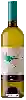
Winery Villa la PalaginaBianco
 White wine


In the mouth this white wine is a with a nice freshness.
This wine generally goes well with vegetarian, appetizers and snacks or lean fish.
Taste structure of the Bianco from the Winery Villa la Palagina
Light | Bold | |
Dry | Sweet | |
Soft | Acidic |
In the mouth the Bianco of Winery Villa la Palagina in the region of Tuscany is a with a nice freshness.
Food and wine pairings with Bianco
Pairings that work perfectly with Bianco



Original food and wine pairings with Bianco


The Bianco of Winery Villa la Palagina matches generally quite well with dishes of pasta, vegetarian or appetizers and snacks such as recipes of marco's pasta with bacon, spinach and goat cheese quiche or sunshine pie with tomato pesto and pine nuts.
Details and technical informations about Winery Villa la Palagina's Bianco.
Discover the grape variety: Agiorgitiko
It is very old in Greece, most certainly originating from the Aegean islands of Santorini(i) to be precise, where it is still the second black variety cultivated today. It is found in Canada (Quebec), in France it is practically unknown, although it is registered in the Official Catalogue of wine grape varieties, list A1.
Last vintages of this wine

The best vintages of Bianco from Winery Villa la Palagina are 2019, 0
Informations about the Winery Villa la Palagina
The Winery Villa la Palagina is one of of the world's greatest estates. It offers 12 wines for sale in the of Tuscany to come and discover on site or to buy online.

The wine region of Tuscany
Tuscany is one of the most famous and prolific wine regions in Europe. It is best known for its Dry red wines made from Sangiovese grapes, which dominate production. These include Chianti, Brunello di Montalcino and Vino Nobile di Montepulciano. The region's Vin Santo is also highly prized, as are its passito dessert wines, though these are produced in comparatively tiny quantities.
The word of the wine: White Grenache
White grape variety cultivated mainly in Spain and a little in the south of France (southern Rhône valley, Languedoc-Roussillon). It is the white variety of Grenache noir. It is used in the blending of several white wines (dry wines or natural sweet wines) to which it gives richness, fatness and floral notes.