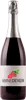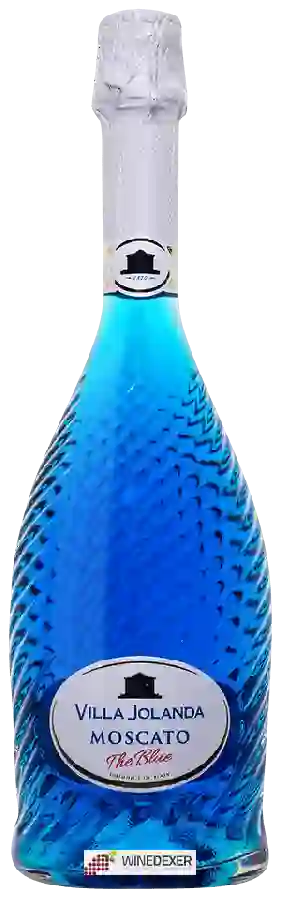
Winery Villa JolandaMoscato The Blue
 White wine


This wine is composed of 100% of the grape variety Pinot Noir.
This wine generally goes well with pork, poultry or veal.
Food and wine pairings with Moscato The Blue
Pairings that work perfectly with Moscato The Blue



Original food and wine pairings with Moscato The Blue


The Moscato The Blue of Winery Villa Jolanda matches generally quite well with dishes of veal, pork or game (deer, venison) such as recipes of slow-cooked veal roast, boeuf en daube or rabbit with white wine.
Details and technical informations about Winery Villa Jolanda's Moscato The Blue.
Discover the grape variety: Pinot noir
Pinot noir is an important red grape variety in Burgundy and Champagne, and its reputation is well known! Great wines such as the Domaine de la Romanée Conti elaborate their wines from this famous grape variety, and make it a great variety. When properly vinified, pinot noit produces red wines of great finesse, with a wide range of aromas depending on its advancement (fruit, undergrowth, leather). it is also the only red grape variety authorized in Alsace. Pinot Noir is not easily cultivated beyond our borders, although it has enjoyed some success in Oregon, the United States, Australia and New Zealand.
Last vintages of this wine
The best vintages of Moscato The Blue from Winery Villa Jolanda are 0
Informations about the Winery Villa Jolanda
The Winery Villa Jolanda is one of of the world's great estates. It offers 54 wines for sale in the of Vino da Tavola to come and discover on site or to buy online.

The wine region of Vino da Tavola
Vino da Tavola was the most basic classification of Italian wines. It is now renamed simply "Vino" and appears on labels as Vino d'Italia. The original name literally means "table wine" as opposed to premium wines from specific geographical locations (see EU wine label). In May 2011, the first legal steps were taken to abolish the Vino da Tavola category, in favor of a New classification of wines called simply Vino.
The word of the wine: Apogee
This period varies greatly depending on the type of wine and the vintage, and corresponds to the optimum quality of a wine. After the peak comes the decline.