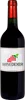
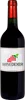
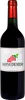
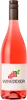
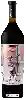
Vignobles Lalande MoreauLe Chevalier Vero Bordeaux
 Red wine
This wine generally goes well with poultry, beef or veal.

Food and wine pairings with Le Chevalier Vero Bordeaux
Pairings that work perfectly with Le Chevalier Vero Bordeaux



Original food and wine pairings with Le Chevalier Vero Bordeaux

The Le Chevalier Vero Bordeaux of Vignobles Lalande Moreau matches generally quite well with dishes of beef, veal or game (deer, venison) such as recipes of fillet of beef in a foie gras and truffle crust, osso bucco or old-fashioned venison stew.
Details and technical informations about Vignobles Lalande Moreau's Le Chevalier Vero Bordeaux.
Discover the grape variety: Orange Muscat
Intense and aromatic muscat whites as dry, sweet and fortified wines, with a pale golden to amber robe depending on vinification, an ample and perfumed palate, showing powerful muscat signature aromas, characteristic orange peel, orange blossom, exotic fruits (lychee, mango) and honey. Grown in California, Australia and South Africa, prized for aromatic sweet fortified wines and dessert muscats. Aromatic American white grape, muscat variation with orange aromas.
Informations about the Vignobles Lalande Moreau
The Vignobles Lalande Moreau is one of wineries to follow in Bordeaux.. It offers 512 wines for sale in the of Bordeaux to come and discover on site or to buy online.

The wine region of Bordeaux
World-renowned age-worthy reds, led by round Merlot (plum, black fruit) or firm Cabernet Sauvignon (blackcurrant, cedar, graphite), blended with Cabernet Franc and Petit Verdot for tannic structure. Structured Médoc and Graves, velvety Saint-Émilion and Pomerol. Also crisp dry whites (Sauvignon/Sémillon) and opulent sweet Sauternes with honey and candied fruit. A 110,000 ha Gironde vineyard, 65 appellations, cradle of the 1855 classified growths.
The word of the wine: Thermoregulation
Control of the vinification temperatures (by circulating hot or cold water on the walls of the vats, for example). This is a major step forward, which in particular helps to preserve the freshness of the aromas threatened by excessive temperature rises during fermentation.