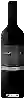
Vignobles de PyrenaiaSimon Forgue Estive Tannat
 Red wine
This wine generally goes well with beef

Food and wine pairings with Simon Forgue Estive Tannat
Pairings that work perfectly with Simon Forgue Estive Tannat

Original food and wine pairings with Simon Forgue Estive Tannat
The Simon Forgue Estive Tannat of Vignobles de Pyrenaia matches generally quite well with dishes of beef such as recipes of beef tagliata with truffle oil.
Details and technical informations about Vignobles de Pyrenaia's Simon Forgue Estive Tannat.
Discover the grape variety: Tannat
Powerful, tannic reds with inky colour and dense texture, with aromas of blackberry, blackcurrant, black plum, leather, liquorice and smoky notes. Very high ageing potential and polyphenol content (health reputation). Star of Madiran AOC in Béarn and the national grape of Uruguay (Canelones, Maldonado). Also grown in Irouléguy and Tursan. Late-ripening red variety from south-west France.
Informations about the Vignobles de Pyrenaia
The Vignobles de Pyrenaia is one of of the world's greatest estates. It offers 11 wines for sale in the of Pyrenées to come and discover on site or to buy online.

The wine region of Pyrenées
Atlantic side of South-West France (Pyrenees-Atlantiques, Hautes-Pyrenees, Gers), AOPs Madiran, Jurancon, Irouleguy, Bearn. Tannat reigns in red: powerful and tannic with blackberry, blackcurrant, plum, leather, tobacco and spiced touch — full-bodied age-worthy wines. Petit and Gros Manseng in star whites: honeyed sweet (Jurancon, candied citrus, pineapple) or lively and exotic dry. Colombard and Cabernet Franc as complement.
The wine region of South West
French mosaic of strong identities south of Bordeaux. Cahors and its Malbec ("black wine"): deep reds with notes of blackberry, plum, violet, tobacco and cocoa, firm tannins. Madiran and its dense, age-worthy Tannat. Jurançon whites: golden sweet (apricot, honey, pineapple) and lively dry from Petit Manseng.
The word of the wine: Maturing (champagne)
After riddling, the bottles are stored on "point", upside down, with the neck of one bottle in the bottom of the other. The duration of this maturation is very important: in contact with the dead yeasts, the wine takes on subtle aromas and gains in roundness and fatness. A brut without year must remain at least 15 months in the cellar after bottling, a vintage 36 months.