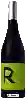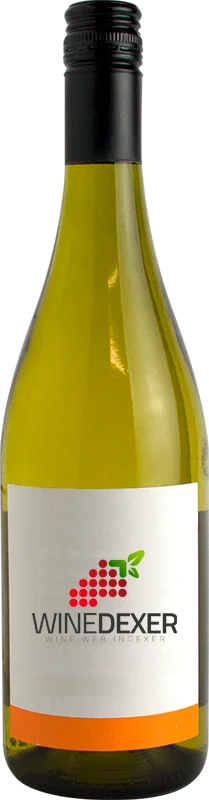
Vignoble de TempliersAbacus
 White wine
This wine generally goes well with poultry, rich fish (salmon, tuna etc) or shellfish.
The Abacus of the Vignoble de Templiers is in the top 5 of wines of Vin de France.
Food and wine pairings with Abacus
Pairings that work perfectly with Abacus



Original food and wine pairings with Abacus
The Abacus of Vignoble de Templiers matches generally quite well with dishes of rich fish (salmon, tuna etc), shellfish or poultry such as recipes of salmon in foil in the microwave, chinese noodles with shrimp or chicken wrap.
Details and technical informations about Vignoble de Templiers's Abacus.
Discover the grape variety: Folignan
Folignan blanc is a grape variety that originated in France (Languedoc). It produces a variety of grape specially used for wine making. It is rare to find this grape to eat on our tables. It should be noted that this variety can also be used for the elaboration of eaux de vie. Folignan blanc can be found cultivated in the following vineyards: South-West, Cognac, Bordeaux, Provence & Corsica, Rhone Valley.
Informations about the Vignoble de Templiers
The Vignoble de Templiers is one of of the world's greatest estates. It offers 4 wines for sale in the of Vin de France to come and discover on site or to buy online.

The wine region of Vin de France
Vin de France is the most basic level of quality for wines from France. These are generally uncomplicated everyday drinks - most often blends, but perhaps also Varietal wines based on a well-known Grape variety such as Cabernet Sauvignon, Merlot, Chardonnay or Sauvignon Blanc. Wines from France are those that do not meet the criteria stipulated by the Protected Designation of Origin (PDO) or Protected Geographical Indication (PGI) laws (see information on French wine labels). This may be because the vineyards are outside the delimited production areas or because the grape varieties or winemaking techniques used do not conform to the rules of the local appellations.
The word of the wine: Caudalie
Unit of measurement corresponding to one second and allowing to quantify the aromatic persistence of a wine in mouth (length in mouth).