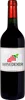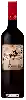
Winery Vicente GandíaOrganic Cabernet Sauvignon
 Red wine


In the mouth this red wine is a powerful with a nice balance between acidity and tannins.
This wine generally goes well with poultry, beef or lamb.

Taste structure of the Organic Cabernet Sauvignon from the Winery Vicente Gandía
Light | Bold | |
Smooth | Tannic | |
Dry | Sweet | |
Soft | Acidic |
In the mouth the Organic Cabernet Sauvignon of Winery Vicente Gandía in the region of Valence is a powerful with a nice balance between acidity and tannins.
Food and wine pairings with Organic Cabernet Sauvignon
Pairings that work perfectly with Organic Cabernet Sauvignon



Original food and wine pairings with Organic Cabernet Sauvignon
The Organic Cabernet Sauvignon of Winery Vicente Gandía matches generally quite well with dishes of beef, lamb or poultry such as recipes of beef pot-au-feu, sri lankan lamb rolls (mutton rolls) or quiche with mixed vegetables.
Details and technical informations about Winery Vicente Gandía's Organic Cabernet Sauvignon.
Discover the grape variety: Cabernet-Sauvignon
Structured, tannic reds, deeply coloured, with aromas of blackcurrant, blackberry, cedar, tobacco and graphite, underpinned by firm acidity and fine ageing potential. Cornerstone of the great Médoc estates (Pauillac, Saint-Estèphe, Saint-Julien) and signature of Napa Valley, Coonawarra and Maipo. The world's most planted red variety, a natural cross of Cabernet Franc x Sauvignon Blanc born in Bordeaux.
Last vintages of this wine

The best vintages of Organic Cabernet Sauvignon from Winery Vicente Gandía are 2011, 0
Informations about the Winery Vicente Gandía
The Winery Vicente Gandía is one of of the world's great estates. It offers 81 wines for sale in the of Valence to come and discover on site or to buy online.

The wine region of Valence
Sunny Mediterranean Levant, sun-drenched accessible wines. Monastrell (Mourvèdre) star red in Alicante: fleshy and deep with black fruits, garrigue, leather and spice, firm tannins. Round, fruity Bobal from Utiel-Requena, supple Garnacha, juicy Tempranillo. Fresh whites: light Merseguera, aromatic Moscatel (fresh grape, flowers).
The word of the wine: Deposit
Solid particles that can naturally coat the bottom of a bottle of wine. It is rather a guarantee that the wine has not been mistreated: in fact, to avoid the natural deposit, rather violent processes of filtration or cold passage (- 7 or - 8 °C) are used in order to precipitate the tartar (the small white crystals that some people confuse with crystallized sugar: just taste to dissuade you from it)