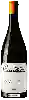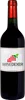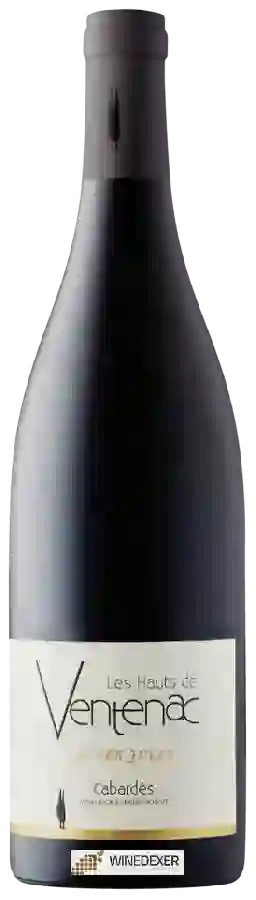
Maison VentenacLes Hauts de Ventenac Cuvée Jules Cabardès
 Red wine



This wine is a blend of 3 varietals which are the Cabernet franc, the Cabernet-Sauvignon and the Merlot.
In the mouth this red wine is a powerful with a nice balance between acidity and tannins.
This wine generally goes well with beef, veal or pasta.

Taste structure of the Les Hauts de Ventenac Cuvée Jules Cabardès from the Maison Ventenac
Light | Bold | |
Smooth | Tannic | |
Dry | Sweet | |
Soft | Acidic |
In the mouth the Les Hauts de Ventenac Cuvée Jules Cabardès of Maison Ventenac in the region of Languedoc-Roussillon is a powerful with a nice balance between acidity and tannins.
Wine flavors and olphactive analysis




On the nose the Les Hauts de Ventenac Cuvée Jules Cabardès of Maison Ventenac in the region of Languedoc-Roussillon often reveals types of flavors of smoke, red fruit or leather and sometimes also flavors of raspberry, non oak or earth.
Food and wine pairings with Les Hauts de Ventenac Cuvée Jules Cabardès
Pairings that work perfectly with Les Hauts de Ventenac Cuvée Jules Cabardès



Original food and wine pairings with Les Hauts de Ventenac Cuvée Jules Cabardès
The Les Hauts de Ventenac Cuvée Jules Cabardès of Maison Ventenac matches generally quite well with dishes of beef, pasta or veal such as recipes of monkfish tagine, quiche with mixed vegetables or osso bucco milanese.
Details and technical informations about Maison Ventenac's Les Hauts de Ventenac Cuvée Jules Cabardès.
Discover the grape variety: Cabernet franc
Supple, fragrant reds with fine tannins and vibrant freshness, showing raspberry, violet, green pepper, pencil lead and gentle spice aromas. Star of the Loire as a single variety (Chinon, Bourgueil, Saumur-Champigny) and of the right bank of Bordeaux in blends (Cheval Blanc at 60%). Also in semi-dry Anjou rosés. A historic Bordeaux variety, parent of Cabernet-Sauvignon, Merlot and Carmenère.
Last vintages of this wine
The best vintages of Les Hauts de Ventenac Cuvée Jules Cabardès from Maison Ventenac are 2014, 2013, 2015, 2012
Informations about the Maison Ventenac
The Maison Ventenac is one of of the world's great estates. It offers 105 wines for sale in the of Cabardès to come and discover on site or to buy online.

The wine region of Cabardès
AOC in western Languedoc on the foothills of the Montagne Noire, unique transition climate between Atlantic (Cers) and Mediterranean (Marin). Original rule: blend of Atlantic varieties (Cabernet, Merlot) and southern (Grenache, Syrah, Cinsault), each ≥40%. 85% powerful, elegant reds with wild strawberry, prune, blackcurrant, blackberry, garrigue, pepper and spice, firm tannins and fresh palate — fascinating dual personality. Gourmet rosés complement.
The wine region of Languedoc-Roussillon
Largest single French vineyard, dominated by sunny, generous reds. Spicy Syrah, candied Grenache (ripe fruit, garrigue), structured Carignan, deep Mourvèdre, supple Cinsault. Stars: structured Corbières, Minervois, Faugères, Saint-Chinian; round Côtes-du-Roussillon. Legendary vins doux naturels: Banyuls and Maury (fortified Grenache) with notes of cocoa, fig, prune.
The word of the wine: Light (taste of)
Taste close to oxidation, characteristic of champagnes altered by prolonged exposure to light.