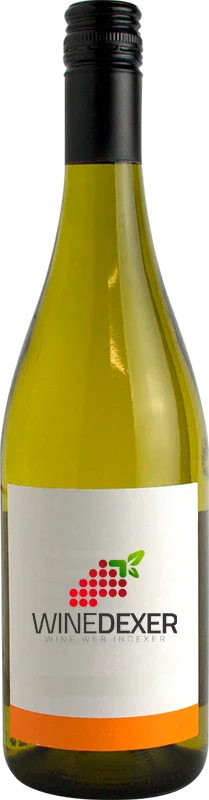
Winery VallotajPinot Bianco
 White wine


In the mouth this white wine is a with a nice freshness.
This wine generally goes well with rich fish (salmon, tuna etc), shellfish or mild and soft cheese.

Taste structure of the Pinot Bianco from the Winery Vallotaj
Light | Bold | |
Dry | Sweet | |
Soft | Acidic |
In the mouth the Pinot Bianco of Winery Vallotaj in the region of Veneto is a with a nice freshness.
Food and wine pairings with Pinot Bianco
Pairings that work perfectly with Pinot Bianco



Original food and wine pairings with Pinot Bianco

The Pinot Bianco of Winery Vallotaj matches generally quite well with dishes of rich fish (salmon, tuna etc), shellfish or mild and soft cheese such as recipes of salmon steak on a bed of leeks, seafood pastilla or blue cord.
Details and technical informations about Winery Vallotaj's Pinot Bianco.
Discover the grape variety: Pinot blanc
Round, supple whites with a soft palate, showing discreet aromas of apple, pear, fresh almond, white flowers and brioche notes. Moderate acidity, light finish. Star of Crémant d'Alsace (fine, taut sparkling) and base of Edelzwicker. Grown in Germany (Weissburgunder, Baden-Württemberg), northern Italy (Pinot Bianco, Alto Adige), Austria and Luxembourg. A white mutation of Pinot Noir.
Last vintages of this wine
The best vintages of Pinot Bianco from Winery Vallotaj are 0
Informations about the Winery Vallotaj
The Winery Vallotaj is one of of the world's great estates. It offers 17 wines for sale in the of Veneto to come and discover on site or to buy online.

The wine region of Veneto
World star of Prosecco: fresh, light Glera sparklers with notes of pear, green apple and white flowers, fruity, convivial bubbles. Veronese reds from Corvina and Rondinella: light, crisp Bardolino, fruity Valpolicella, opulent, concentrated Amarone DOCG (black cherry, chocolate, raisin) from dried grapes. Mineral, almondy Soave (Garganega) whites, fresh Pinot Grigio. 97,500 ha, Italy's largest production.
The word of the wine: VDN
Natural sweet wine. Wine obtained by mutage of the must during fermentation by adding over-finished alcohol at 96 °, produced in the vineyards of Roussillon, Languedoc, Rhone Valley and Corsica.





