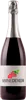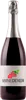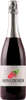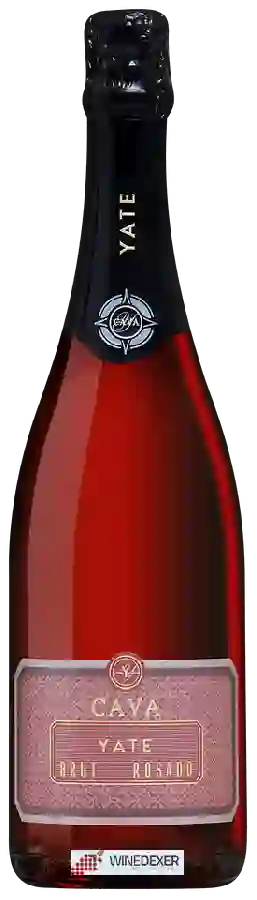
Winery VallformosaYate Brut Rosado
 Sparkling wine



In the mouth this sparkling wine is a with a nice vivacity and a fine and pleasant bubble.
This wine generally goes well with appetizers and snacks, lean fish or shellfish.

Taste structure of the Yate Brut Rosado from the Winery Vallformosa
Light | Bold | |
Soft | Acidic | |
Gentle | Fizzy |
In the mouth the Yate Brut Rosado of Winery Vallformosa in the region of Cava is a with a nice vivacity and a fine and pleasant bubble.
Food and wine pairings with Yate Brut Rosado
Pairings that work perfectly with Yate Brut Rosado



Original food and wine pairings with Yate Brut Rosado


The Yate Brut Rosado of Winery Vallformosa matches generally quite well with dishes of shellfish, appetizers and snacks or lean fish such as recipes of salt and pepper shrimp, cervelat in the alsatian style or spanish fish soup.
Details and technical informations about Winery Vallformosa's Yate Brut Rosado.
Discover the grape variety: Lercat
Simple, fresh dry whites with a pale golden robe and a supple palate with moderate acidity, with understated aromas of citrus and white flowers. Discreet rustic profile. Almost extinct, preserved in INRAE variety collections; bears witness to the pre-phylloxera ampelographic diversity of the South-West and is studied as a heritage variety for its genetic interest. Rare French white variety, once grown in the South-West.
Last vintages of this wine
The best vintages of Yate Brut Rosado from Winery Vallformosa are 0
Informations about the Winery Vallformosa
The Winery Vallformosa is one of of the world's great estates. It offers 81 wines for sale in the of Cava to come and discover on site or to buy online.

The wine region of Cava
Spain's star traditional-method sparkler, the Iberian equivalent of Champagne. Three Catalan grapes blended: Macabeo (apple, freshness), Xarel-lo (body and herbaceous notes), Parellada (elegance and floral finesse). Chardonnay and Pinot Noir also allowed. From fruit-driven Brut to Gran Reserva (30 months on lees) with brioche and toasted notes.
The word of the wine: Malolactic fermentation
Called second fermentation or malo for short. It is the degradation (under the effect of bacteria) of the malic acid naturally present in the wine into milder, less aggressive lactic acid. Some producers or wineries refuse this operation by "blocking the malo" (by cold and adding SO2) to keep a maximum of acidity which carries the aromas and accentuates the sensation of freshness.