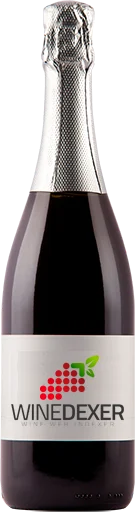
Winery VallformosaClàssic Brut Rosat
 Sparkling wine



In the mouth this sparkling wine is a with a nice vivacity and a fine and pleasant bubble.
This wine generally goes well with appetizers and snacks, lean fish or shellfish.

Taste structure of the Clàssic Brut Rosat from the Winery Vallformosa
Light | Bold | |
Soft | Acidic | |
Gentle | Fizzy |
In the mouth the Clàssic Brut Rosat of Winery Vallformosa in the region of Cava is a with a nice vivacity and a fine and pleasant bubble.
Wine flavors and olphactive analysis

On the nose the Clàssic Brut Rosat of Winery Vallformosa in the region of Cava often reveals types of flavors of tree fruit, citrus fruit or red fruit.
Food and wine pairings with Clàssic Brut Rosat
Pairings that work perfectly with Clàssic Brut Rosat



Original food and wine pairings with Clàssic Brut Rosat


The Clàssic Brut Rosat of Winery Vallformosa matches generally quite well with dishes of shellfish, appetizers and snacks or lean fish such as recipes of mussels with beer, tapenade or back of cod with old-fashioned mustard.
Details and technical informations about Winery Vallformosa's Clàssic Brut Rosat.
Discover the grape variety: Minutolo
Aromatic, lively dry whites with a pale golden colour, a slender palate and preserved acidity, showing intense signature muscat aromas (rose, fresh grape), white flowers (orange blossom), exotic fruits (lychee, pineapple) and citrus notes. Distinctive Apulian aromatic profile to drink young. Experiencing a fine qualitative revival among modern Puglian winemakers in the Valle d'Itria. Native white variety from Puglia, Italy, long confused with Fiano.
Last vintages of this wine
The best vintages of Clàssic Brut Rosat from Winery Vallformosa are 2017, 0, 1981
Informations about the Winery Vallformosa
The Winery Vallformosa is one of of the world's greatest estates. It offers 81 wines for sale in the of Cava to come and discover on site or to buy online.

The wine region of Cava
Spain's star traditional-method sparkler, the Iberian equivalent of Champagne. Three Catalan grapes blended: Macabeo (apple, freshness), Xarel-lo (body and herbaceous notes), Parellada (elegance and floral finesse). Chardonnay and Pinot Noir also allowed. From fruit-driven Brut to Gran Reserva (30 months on lees) with brioche and toasted notes.
The word of the wine: Character
Said of a typical wine that stands out for its originality. Used in the plural, it refers to all the organoleptic components of a wine (flavours and tactile sensations).