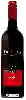
Winery Valhalla WinesTempranillo
 Red wine
This wine generally goes well with pork, beef or game (deer, venison).

Food and wine pairings with Tempranillo
Pairings that work perfectly with Tempranillo



Original food and wine pairings with Tempranillo


The Tempranillo of Winery Valhalla Wines matches generally quite well with dishes of beef, lamb or pork such as recipes of steak tartare, lamb kleftiko (greek) or pork chops with curry and honey.
Details and technical informations about Winery Valhalla Wines's Tempranillo.
Discover the grape variety: Tempranillo
Elegant, structured reds with aromas of strawberry, cherry, plum, leather, blond tobacco and pronounced vanilla from long oak ageing. Ranges from Joven to Crianza, Reserva and Gran Reserva. Star of Rioja DOCa, Ribera del Duero DO and Toro DO, also shines in the Douro as Tinta Roriz/Aragonez. One of the world's most planted Spanish varieties.
Informations about the Winery Valhalla Wines
The Winery Valhalla Wines is one of of the world's greatest estates. It offers 8 wines for sale in the of Alpine Valleys to come and discover on site or to buy online.

The wine region of Alpine Valleys
Cool-climate GI in the Victorian Alpine foothills (4 valleys of the Ovens, Buffalo, Buckland, Kiewa rivers around Bright, 180-1,972 m): signature Prosecco, Chardonnay and Pinot Noir as white and red kings — airy signature profile with vivid acidity, bright fruits and floral aromas, long growing season preserved by alpine breezes. Cool-climate Shiraz with vibrant, spicy and peppery notes, emerging Italians. Whites 70% of crush.
The wine region of Victoria
Australian diversity from cool to temperate climate. Yarra Valley and Mornington: fine, silky Pinot Noir (cherry, raspberry, undergrowth), taut, mineral Chardonnay. Heathcote: structured Shiraz with black fruits, pepper and chocolate. Rutherglen, fortified capital: opulent sweet Topaque and Muscat (raisin, caramel, fig, roast notes).
The word of the wine: AOC
Appellation d'origine contrôlée. The most prestigious category of French wines created in the 1930s on the basis of quality criteria defined by a geographical delimitation, a chosen grape variety and precise production rules.