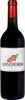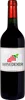
Winery Les Celliers du Prieure - Valentin FleurLes Trois Jumeaux Cuvée Privée
 Red wine


This wine generally goes well with pork, poultry or beef.

Food and wine pairings with Les Trois Jumeaux Cuvée Privée
Pairings that work perfectly with Les Trois Jumeaux Cuvée Privée



Original food and wine pairings with Les Trois Jumeaux Cuvée Privée


The Les Trois Jumeaux Cuvée Privée of Winery Les Celliers du Prieure - Valentin Fleur matches generally quite well with dishes of beef, pork or game (deer, venison) such as recipes of fresh sausage, the garbure or duck leg confit in cider.
Details and technical informations about Winery Les Celliers du Prieure - Valentin Fleur's Les Trois Jumeaux Cuvée Privée.
Discover the grape variety: Cabernet franc
Supple, fragrant reds with fine tannins and vibrant freshness, showing raspberry, violet, green pepper, pencil lead and gentle spice aromas. Star of the Loire as a single variety (Chinon, Bourgueil, Saumur-Champigny) and of the right bank of Bordeaux in blends (Cheval Blanc at 60%). Also in semi-dry Anjou rosés. A historic Bordeaux variety, parent of Cabernet-Sauvignon, Merlot and Carmenère.
Informations about the Winery Les Celliers du Prieure - Valentin Fleur
The Winery Les Celliers du Prieure - Valentin Fleur is one of of the world's great estates. It offers 60 wines for sale in the of Vin de France to come and discover on site or to buy online.

The wine region of Vin de France
The freest category of French wine, the playground of winemakers working outside the AOC. All styles combined: fruity reds, lively or ambitious whites, everyday rosés, unusual blends, natural wines, atypical grapes (Petit Manseng in Languedoc, Riesling in Provence), experimental winemaking (skin-contact whites, no sulphur). Grape and vintage labelling allowed, no geographic constraint. From the pop, convivial cuvée to the artisan gem: freedom in a bottle.
The word of the wine: Vatting
After five to eight days of alcoholic fermentation, it is possible to prolong the maceration in order to extract the maximum amount of matter from the marc. The wines obtained in this way are rich and full-bodied, and in principle are intended for laying down.