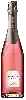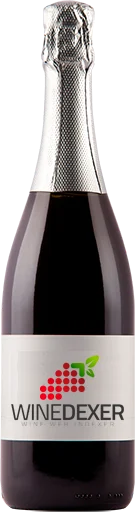
Winery Val de CuneSpago
 Sparkling wine


In the mouth this sparkling wine is a with a nice vivacity and a fine and pleasant bubble.
This wine generally goes well with vegetarian, appetizers and snacks or shellfish.
Taste structure of the Spago from the Winery Val de Cune
Light | Bold | |
Soft | Acidic | |
Gentle | Fizzy |
In the mouth the Spago of Winery Val de Cune in the region of Veneto is a with a nice vivacity and a fine and pleasant bubble.
Food and wine pairings with Spago
Pairings that work perfectly with Spago



Original food and wine pairings with Spago


The Spago of Winery Val de Cune matches generally quite well with dishes of shellfish, vegetarian or appetizers and snacks such as recipes of paella josé style, summer tuna quiche or melon and cucumber gazpacho.
Details and technical informations about Winery Val de Cune's Spago.
Discover the grape variety: Barras
It most certainly originates from the Tarn region, a variety that has completely disappeared from the vineyard and is therefore on the way out. It was very difficult to find documentation concerning it, especially since there is a slight confusion with malpé. D.N.A. analyses processed by a specific software (U.M.R.-A.G.A.P. Montpellier) indicate that malpé is the result of a cross between cahours and fer.
Last vintages of this wine
The best vintages of Spago from Winery Val de Cune are 2016, 0
Informations about the Winery Val de Cune
The Winery Val de Cune is one of of the world's greatest estates. It offers 10 wines for sale in the of Veneto to come and discover on site or to buy online.

The wine region of Veneto
Veneto is an important and growing wine region in northeastern Italy. Veneto is administratively Part of the Triveneto area, aLong with its smaller neighbors, Trentino-Alto Adige and Friuli-Venezia Giulia. In terms of geography, culture and wine styles, it represents a transition from the Alpine and Germanic-Slavic end of Italy to the warmer, drier, more Roman lands to the South. Veneto is slightly smaller than the other major Italian wine regions - Piedmont, Tuscany, Lombardy, Puglia and Sicily - but it produces more wine than any of them.
The word of the wine: Sulphur
An antiseptic and antioxidant substance known since antiquity, probably already used by the Romans. But it was only in modern times that its use was rediscovered. It will allow a better conservation of the wine and thus favour its export. Sulphur also gave the 18th century winegrower the possibility of extending the maceration period without fearing that the wine would turn sour and thus go from dark rosé wines to the red wines of today. Excessive sulphur, on the other hand, kills happiness, paralysing the aromas and causing headaches.