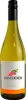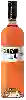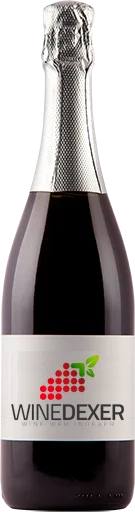
Winery Val d'AstierLa Bulle de Laure Frizzante Blanc
 Sparkling wine
This wine generally goes well with spicy food and sweet desserts.
Food and wine pairings with La Bulle de Laure Frizzante Blanc
Pairings that work perfectly with La Bulle de Laure Frizzante Blanc


Original food and wine pairings with La Bulle de Laure Frizzante Blanc
The La Bulle de Laure Frizzante Blanc of Winery Val d'Astier matches generally quite well with dishes of spicy food or sweet desserts such as recipes of yassa chicken (senegal) or grandma's cherry clafoutis.
Details and technical informations about Winery Val d'Astier's La Bulle de Laure Frizzante Blanc.
Discover the grape variety: Primitivo
From Croatia where it is called crljenak kastelanski or pribidrag. According to genetic analyses carried out by Professor Carole Meredith of California University in Davis (United States), it is related to the Croatian plavac mali and Zinfandel. It is also found in South Africa, New Zealand, Chile, Brazil, Germany, Bulgaria, Albania, Italy under the name of Primitivo, Malta, Greece, Portugal and to some extent in Croatia. In the United States (California), it is one of the most widely planted grape varieties, having been introduced in the 1830s well before Primitivo. In France, it is registered in the official catalogue of vine varieties on the A1 list under the name Primitivo.
Informations about the Winery Val d'Astier
The Winery Val d'Astier is one of of the world's great estates. It offers 17 wines for sale in the of Côtes de Provence to come and discover on site or to buy online.

The wine region of Côtes de Provence
The AOC Côtes de Provence is the largest appellation in the Provence wine region of southeastern France. It covers about 20,000 hectares of vineyards, which produce the vast majority of Provence's rosé wine. This appellation includes most of the vineyards in the Var department - essentially the eastern half of the Provence wine region - with the exception of 2,250 hectares North of Toulon which are reserved for the Côteaux Varois en Provence appellation. Although it also covers red and white wine, about 80% of Côtes de Provence production is rosé.
The wine region of Provence
Provence is a wine region in the far southeast of France, best known for the quality (and quantity) of its rosé wines and for its Warm, mild Climate. The modernization that is taking place in many of the traditional wine regions of southern France has not yet taken place to the same extent in Provence, but there are Clear signs of change. The region's Grape varieties, in particular, have come under scrutiny in recent decades. Traditional varieties such as Carignan, Barbaroux (Barbarossa from Sardinia) and Calitor are being replaced by more commercially viable varieties such as Grenache, Syrah and even Cabernet Sauvignon.
The word of the wine: Mutage
The act of adding alcohol to a fresh grape must or to a fermenting must.