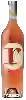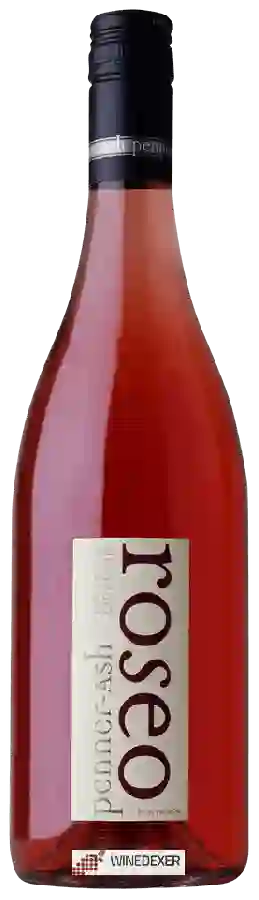
Winery Penner-AshRoséo
 Pink wine


This wine generally goes well with pork, poultry or veal.
Wine flavors and olphactive analysis




On the nose the Roséo of Winery Penner-Ash in the region of Oregon often reveals types of flavors of tree fruit, citrus fruit or red fruit.
Food and wine pairings with Roséo
Pairings that work perfectly with Roséo



Original food and wine pairings with Roséo


The Roséo of Winery Penner-Ash matches generally quite well with dishes of veal, pork or game (deer, venison) such as recipes of alsatian fondue, baked bread (tomato, mushroom, ham, cheese) or venison leg marinated in white wine and grand marnier.
Details and technical informations about Winery Penner-Ash's Roséo.
Discover the grape variety: Pinot noir
Pinot noir is an important red grape variety in Burgundy and Champagne, and its reputation is well known! Great wines such as the Domaine de la Romanée Conti elaborate their wines from this famous grape variety, and make it a great variety. When properly vinified, pinot noit produces red wines of great finesse, with a wide range of aromas depending on its advancement (fruit, undergrowth, leather). it is also the only red grape variety authorized in Alsace. Pinot Noir is not easily cultivated beyond our borders, although it has enjoyed some success in Oregon, the United States, Australia and New Zealand.
Last vintages of this wine

The best vintages of Roséo from Winery Penner-Ash are 2017, 2018, 2014, 0 and 2015.
Informations about the Winery Penner-Ash
The Winery Penner-Ash is one of of the world's great estates. It offers 36 wines for sale in the of Oregon to come and discover on site or to buy online.

The wine region of Oregon
Oregon, located in the Pacific Northwest of the United States, is one of the youngest and most promising wine regions in the world. The state put itself on the international wine map in the late 1960s and has been building its position ever since. Production volumes have remained relatively quiet. The 2017 Oregon Vineyards and Wineries report recorded just under 34,000 acres (13,750 hectares) of planted vineyards.
The word of the wine: Tartar (deposit)
White, chalky deposits that occur as a result of precipitation inside bottles and are often considered by consumers as a defect. They are in fact tartaric salts formed by tartaric acid, potassium and calcium naturally present in the wine. This deposit does not alter the quality of the wine and can be eliminated by a simple decanting.