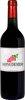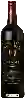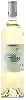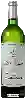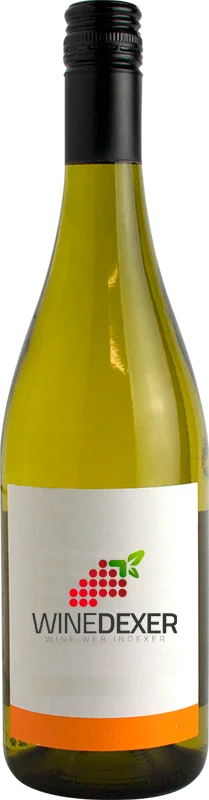
Winery TutiacPlaisir Bordeaux Blanc
 White wine


In the mouth this white wine is a powerful.
This wine generally goes well with pork, vegetarian or poultry.

Taste structure of the Plaisir Bordeaux Blanc from the Winery Tutiac
Light | Bold | |
Dry | Sweet | |
Soft | Acidic |
In the mouth the Plaisir Bordeaux Blanc of Winery Tutiac in the region of Bordeaux is a powerful.
Food and wine pairings with Plaisir Bordeaux Blanc
Pairings that work perfectly with Plaisir Bordeaux Blanc



Original food and wine pairings with Plaisir Bordeaux Blanc


The Plaisir Bordeaux Blanc of Winery Tutiac matches generally quite well with dishes of pork, vegetarian or poultry such as recipes of pork roll with tomato sauce, tuna, pepper and tomato quiche or stuffed eggplant (with vegetables or mixed).
Details and technical informations about Winery Tutiac's Plaisir Bordeaux Blanc.
Discover the grape variety: Domina
Colourful and structured reds with a deep purple colour, firm tannins and a full palate, offering signature aromas of black cherry, plum, liquorice and spicy notes. Also used to add body to blends. Grown in Franconia and the German Palatinate for characterful dry reds. German black variety obtained in 1927 at Geilweilerhof (Portugieser × Pinot Noir), early-ripening and productive.
Last vintages of this wine
The best vintages of Plaisir Bordeaux Blanc from Winery Tutiac are 2012, 2011
Informations about the Winery Tutiac
The Winery Tutiac is one of of the world's great estates. It offers 188 wines for sale in the of Bordeaux to come and discover on site or to buy online.

The wine region of Bordeaux
World-renowned age-worthy reds, led by round Merlot (plum, black fruit) or firm Cabernet Sauvignon (blackcurrant, cedar, graphite), blended with Cabernet Franc and Petit Verdot for tannic structure. Structured Médoc and Graves, velvety Saint-Émilion and Pomerol. Also crisp dry whites (Sauvignon/Sémillon) and opulent sweet Sauternes with honey and candied fruit. A 110,000 ha Gironde vineyard, 65 appellations, cradle of the 1855 classified growths.
The word of the wine: Rosé de saignée
A method of making rosé wine that consists of partially draining a vat of red wine after a few hours of maceration. The longer the maceration, the stronger the colour. This practice gives rich and expressive rosés.