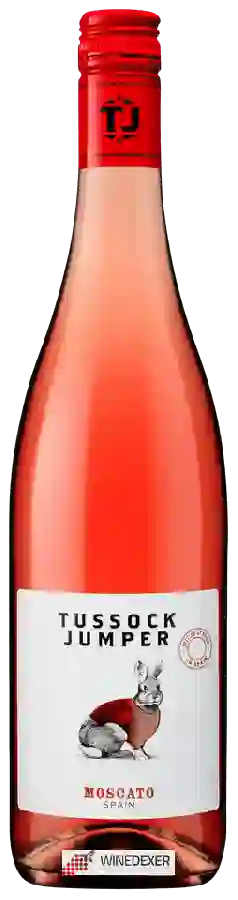
Winery Tussock JumperMoscato Rosé
 Pink wine


This wine generally goes well with sweet desserts
The Moscato Rosé of the Winery Tussock Jumper is in the top 70 of wines of Valence.

Food and wine pairings with Moscato Rosé
Pairings that work perfectly with Moscato Rosé

Original food and wine pairings with Moscato Rosé
The Moscato Rosé of Winery Tussock Jumper matches generally quite well with dishes of sweet desserts such as recipes of grandma's cherry clafoutis.
Details and technical informations about Winery Tussock Jumper's Moscato Rosé.
Discover the grape variety: Carignan
Intensely coloured and powerful reds with a deep colour, firm tannins and high acidity, on aromas of blackberry, blackcurrant, plum, garrigue, pepper, liquorice and balsamic notes. Old vines (>50 years, often centenary) yield exceptional cuvées. A historical pillar of Languedoc-Roussillon blends (Corbières, Minervois, Fitou, Maury) and star of Catalan Priorat under the name Cariñena. Very late-ripening variety from Aragon, also called Mazuelo in Rioja.
Last vintages of this wine

The best vintages of Moscato Rosé from Winery Tussock Jumper are 2018, 2017, 2019, 2016 and 2012.
Informations about the Winery Tussock Jumper
The Winery Tussock Jumper is one of of the world's greatest estates. It offers 30 wines for sale in the of Valence to come and discover on site or to buy online.

The wine region of Valence
Sunny Mediterranean Levant, sun-drenched accessible wines. Monastrell (Mourvèdre) star red in Alicante: fleshy and deep with black fruits, garrigue, leather and spice, firm tannins. Round, fruity Bobal from Utiel-Requena, supple Garnacha, juicy Tempranillo. Fresh whites: light Merseguera, aromatic Moscatel (fresh grape, flowers).
The word of the wine: CM
Mention on the label of a champagne. It is a handling cooperative that produces on its own premises and markets under its own brand the wines made from the grapes harvested by its members.


