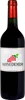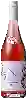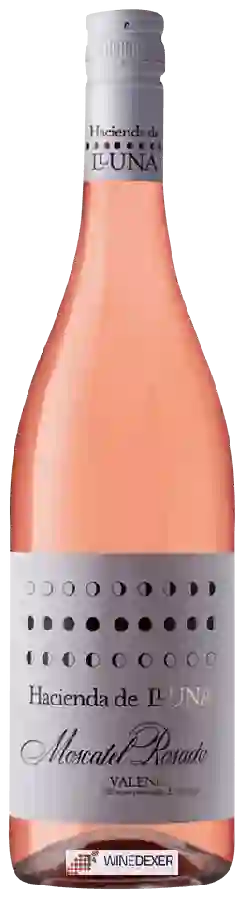
Winery Hacienda de LlunaMoscatel Rosado
 Pink wine



This wine generally goes well with sweet desserts
Wine flavors and olphactive analysis




On the nose the Moscatel Rosado of Winery Hacienda de Lluna in the region of Valence often reveals types of flavors of earth, tree fruit or red fruit.
Food and wine pairings with Moscatel Rosado
Pairings that work perfectly with Moscatel Rosado

Original food and wine pairings with Moscatel Rosado
The Moscatel Rosado of Winery Hacienda de Lluna matches generally quite well with dishes of sweet desserts such as recipes of french toast.
Details and technical informations about Winery Hacienda de Lluna's Moscatel Rosado.
Discover the grape variety: Gravesina
We do not know exactly where this grape variety comes from. It can be found in Austria, Romania, northern Italy, Croatia, Serbia, Hungary, Bulgaria, the Czech Republic, Slovakia, Russia, etc. It is practically unknown in France. In Spain, Borba is said to be identical to the Italian Riesling.
Last vintages of this wine
The best vintages of Moscatel Rosado from Winery Hacienda de Lluna are 2014, 2017, 2015, 2013 and 2019.
Informations about the Winery Hacienda de Lluna
The Winery Hacienda de Lluna is one of of the world's greatest estates. It offers 4 wines for sale in the of Valence to come and discover on site or to buy online.

The wine region of Valence
Valencia is a province in the centre of Spain's sunny east coast, perhaps better known for its oranges (and paella) than its wine. The administrative Center of Valencia is the city of the same name, the third largest in Spain and the largest port on the Mediterranean. Archaeological evidence suggests that wine making in Valencia dates back more than a thousand years, but the region has never been particularly prominent on the world wine map. In modern times, Valencia's wine production has focused on quantity rather than quality, although this is gradually changing.
The word of the wine: Reserve wine (champagne)
Older wines, kept in vats or aged in wood in some houses, or kept in magnums at Bollinger. A small percentage of these wines are used in the blending of non-vintage wines in order to bring greater aromatic complexity.