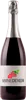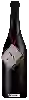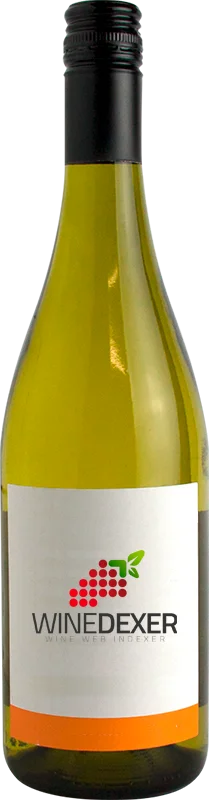
Winery TurinaSan Sivino
 White wine
In the mouth this white wine is a powerful.
This wine generally goes well with lean fish, shellfish or mature and hard cheese.

Taste structure of the San Sivino from the Winery Turina
Light | Bold | |
Dry | Sweet | |
Soft | Acidic |
In the mouth the San Sivino of Winery Turina in the region of Lombardia is a powerful.
Food and wine pairings with San Sivino
Pairings that work perfectly with San Sivino



Original food and wine pairings with San Sivino


The San Sivino of Winery Turina matches generally quite well with dishes of pasta, shellfish or mature and hard cheese such as recipes of roast beef in a foie gras and chanterelle crust, mussels with rosemary and barbecue or hot asparagus with comté cheese.
Details and technical informations about Winery Turina's San Sivino.
Discover the grape variety: Riesling
Crystalline, taut whites with vibrant acidity and aromas of citrus, green apple, white flowers, vineyard peach and mineral/petrol notes with age. Made as dry (Trocken, Alsace), off-dry (Kabinett, Spätlese) and sweet (Auslese, Beerenauslese, Trockenbeerenauslese, late harvest). Star of the Moselle, Rheingau, Alsace AOC and Wachau. Also exported to Clare Valley and Finger Lakes.
Informations about the Winery Turina
The Winery Turina is one of of the world's great estates. It offers 15 wines for sale in the of Lombardia to come and discover on site or to buy online.

The wine region of Lombardia
Three poles. Franciacorta DOCG, Italy's answer to Champagne: elegant brioche traditional-method sparklers (Chardonnay, Pinot Noir, Pinot Blanc), fine bubble and mineral profile. Alpine Valtellina: Nebbiolo (alias Chiavennasca) with fine tannins and red fruits, powerful Sforzato passito. Oltrepò Pavese: fresh Pinot Noir and fruity-sparkling Bonarda.
The word of the wine: Oenologist
Specialist in wine-making techniques. It is a profession and not a passion: one can be an oenophile without being an oenologist (and the opposite too!). Formerly attached to the Faculty of Pharmacy, oenology studies have become independent and have their own university course. Learning to make wine requires a good chemical background but also, increasingly, a good knowledge of the plant. Some oenologists work in laboratories (analysis). Others, the consulting oenologists, work directly in the properties.