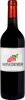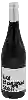
Winery Tresch ClergetFleur de France Moelleux Red
 Sweet wine



In the mouth this sweet wine is a powerful with a nice balance between acidity and tannins.
This wine generally goes well with beef, veal or pasta.

Taste structure of the Fleur de France Moelleux Red from the Winery Tresch Clerget
Light | Bold | |
Smooth | Tannic | |
Dry | Sweet | |
Soft | Acidic |
In the mouth the Fleur de France Moelleux Red of Winery Tresch Clerget in the region of Vin de France is a powerful with a nice balance between acidity and tannins.
Wine flavors and olphactive analysis

Food and wine pairings with Fleur de France Moelleux Red
Pairings that work perfectly with Fleur de France Moelleux Red



Original food and wine pairings with Fleur de France Moelleux Red
The Fleur de France Moelleux Red of Winery Tresch Clerget matches generally quite well with dishes of beef, pasta or veal such as recipes of beef with onions chinese style, farfalle with gorgonzola or roast veal with caramelized carrots.
Details and technical informations about Winery Tresch Clerget's Fleur de France Moelleux Red.
Discover the grape variety: Cascal
Structured reds with a deep ruby robe, moderate tannins and an ample palate, showing signature aromas of black fruits (blackberry, blackcurrant), spices and balsamic notes. Often blended with other Portuguese varieties. Contributes to the complexity of Douro DOC and Lisbon regional blends. Portuguese black grape grown mainly in the Douro and the Lisbon region, part of the identity of Portuguese reds.
Last vintages of this wine
The best vintages of Fleur de France Moelleux Red from Winery Tresch Clerget are 2017, 2016, 2008
Informations about the Winery Tresch Clerget
The Winery Tresch Clerget is one of of the world's greatest estates. It offers 106 wines for sale in the of Vin de France to come and discover on site or to buy online.

The wine region of Vin de France
The freest category of French wine, the playground of winemakers working outside the AOC. All styles combined: fruity reds, lively or ambitious whites, everyday rosés, unusual blends, natural wines, atypical grapes (Petit Manseng in Languedoc, Riesling in Provence), experimental winemaking (skin-contact whites, no sulphur). Grape and vintage labelling allowed, no geographic constraint. From the pop, convivial cuvée to the artisan gem: freedom in a bottle.
The word of the wine: Stabilization
All the treatments intended for the good conservation of wines.