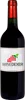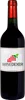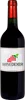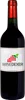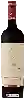
Winery Toro d'OroReserva Syrah
 Red wine


In the mouth this red wine is a powerful.
This wine generally goes well with poultry, beef or game (deer, venison).
Taste structure of the Reserva Syrah from the Winery Toro d'Oro
Light | Bold | |
Smooth | Tannic | |
Dry | Sweet | |
Soft | Acidic |
In the mouth the Reserva Syrah of Winery Toro d'Oro in the region of Central Valley is a powerful.
Food and wine pairings with Reserva Syrah
Pairings that work perfectly with Reserva Syrah



Original food and wine pairings with Reserva Syrah

The Reserva Syrah of Winery Toro d'Oro matches generally quite well with dishes of beef, lamb or game (deer, venison) such as recipes of sautéed pork with pineapple, sweet and sour braised leg of lamb or duck leg confit in white wine.
Details and technical informations about Winery Toro d'Oro's Reserva Syrah.
Discover the grape variety: Ravat 34
Jean-François Ravat, in his published writings, has never given the names of the parents of this wine grape. For some, it comes from an interspecific cross between Chardonnay and Vitis Berlandieri. It can be found in North America and Canada, but is virtually unknown in France.
Last vintages of this wine

The best vintages of Reserva Syrah from Winery Toro d'Oro are 2011, 2010, 0, 2014 and 2012.
Informations about the Winery Toro d'Oro
The Winery Toro d'Oro is one of of the world's great estates. It offers 15 wines for sale in the of Curico Valley to come and discover on site or to buy online.

The wine region of Curico Valley
Curicó Valley is a wine-producing region in CentralChile, located roughly 115 miles (185km) South of the Chilean capital, Santiago. It is divided into two sub-regions: Teno in the North and Lontue Valley in the south. The Curicó is known for its reliable, good value everyday wines, Particularly the reds made from Cabernet Sauvignon and whites from Sauvignon Blanc and Chardonnay. Curicó's vineyards are planted with more varieties than anywhere else in Chile.
The wine region of Central Valley
The Central Valley (El Valle Central) of Chile is one of the most important wine-producing areas in South America in terms of Volume. It is also one of the largest wine regions, stretching from the Maipo Valley (just south of Santiago) to the southern end of the Maule Valley. This is a distance of almost 250 miles (400km) and covers a number of Climate types. The Central Valley wine region is easily (and often) confused with the geological Central Valley, which runs north–south for more than 620 miles (1000km) between the Pacific Coastal Ranges and the lower Andes.
The word of the wine: Phylloxera
Aphid that came from America and ravaged European vineyards at the end of the 19th century. It lives on the roots of the vine, from which it pumps the sap. The only vines capable of resisting it had to be imported from the United States, and then grafted onto their root system the wood of traditional French grape varieties. Today, grafted vines are always planted.