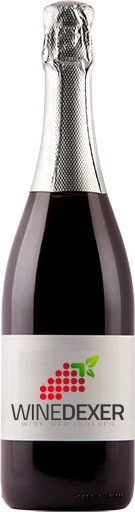
Winery TörleyFortuna Doux Édes
 Sparkling wine


This wine generally goes well with
Wine flavors and olphactive analysis

On the nose the Fortuna Doux Édes of Winery Törley in the region of Észak-Dunántúl often reveals types of flavors of earth, tree fruit or citrus fruit.
Details and technical informations about Winery Törley's Fortuna Doux Édes.
Discover the grape variety: Tibouren
Tibouren noir is a grape variety that originated in France (Provence). It produces a variety of grape specially used for wine making. It is rare to find this grape to eat on our tables. Tibouren noir can be found in several vineyards: South-West, Cognac, Bordeaux, Provence & Corsica, Rhone Valley, Loire Valley, Savoie & Bugey, Beaujolais, Languedoc & Roussillon.
Last vintages of this wine
The best vintages of Fortuna Doux Édes from Winery Törley are 0
Informations about the Winery Törley
The Winery Törley is one of of the world's great estates. It offers 56 wines for sale in the of Etyek-Buda to come and discover on site or to buy online.

The wine region of Etyek-Buda
The wine region of Etyek-Buda is located in the region of Észak-Dunántúl of Hungary. Wineries and vineyards like the Domaine Fantástico or the Domaine Nyakas produce mainly wines white, sparkling and red. The most planted grape varieties in the region of Etyek-Buda are Pinot noir, Chardonnay and Cabernet-Sauvignon, they are then used in wines in blends or as a single variety. On the nose of Etyek-Buda often reveals types of flavors of pineapple, minerality or black fruit and sometimes also flavors of red fruit, gooseberry or straw.
The wine region of Észak-Dunántúl
Hungary, in Central Europe, has gained its reputation in the wine world through just a couple of wine styles, but for centuries it has been a wine-producing nation of considerable diversity. In addition to the Sweet wines of Tokaj and the Deep Bull's Blood of Eger, the Hungarian wine portfolio includes Dry whites from the shores of Lake Balaton, Somló and Neszmély, and finer reds from various regions, notably Villány, Sopron and Szekszard. Hungarian wine culture stretches back to Roman times and has survived numerous political, religious and economic challenges, including Islamic rule during the 16th Century (when Alcohol was prohibited) and the Phylloxera epidemic of the late 1800s. The modern Hungarian wine regions are distributed around the country.
The word of the wine: Leaf removal
Operation that consists in removing the leaves that form a screen between the sun and the grape.