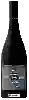
Winery Tim GrampBasket Pressed Shiraz
 wine
wine
This wine generally goes well with
The Basket Pressed Shiraz of the Winery Tim Gramp is in the top 0 of wines of Clare Valley.

Details and technical informations about Winery Tim Gramp's Basket Pressed Shiraz.
Discover the grape variety: Carignan Blanc
Structured, full-bodied dry whites with a pale to golden colour, ample palate and preserved acidity, showing signature aromas of ripe yellow fruits (pear, peach, apricot), almond, white flowers and Mediterranean saline notes. Good ageing potential; renewed interest for character-driven southern whites. Grown in small quantities in Languedoc-Roussillon and Catalonia (cariñena blanca). White-berried mutation of carignan noir, a historic Mediterranean variety.
Informations about the Winery Tim Gramp
The Winery Tim Gramp is one of of the world's greatest estates. It offers 9 wines for sale in the of Clare Valley to come and discover on site or to buy online.

The wine region of Clare Valley
Australian reference for racy high-altitude Riesling (Mid North, 142 km north of Adelaide): the white king, austere when young — dry and mineral with notes of lime, orange blossom, crisp apple and a flint touch, taut acidity and exceptional ageing (5-7 years to decades). Signature Shiraz in reds (35%), powerful with notes of blackberry, plum, spices and a minty touch. Firm Cabernet as support. Cool climate, red-brown soils.
The wine region of Australie du Sud
Cradle of the great Australian Shiraz: powerful, sun-drenched reds with notes of blackberry, candied plum, pepper, chocolate and eucalyptus, ample tannins and vibrant fruit (Barossa, McLaren Vale). Firm, minty Cabernet Sauvignon on Coonawarra (terra rossa). Dry, lemony Riesling from Clare and Eden Valley, straight and taut. Fresh Sauvignon and Chardonnay from Adelaide Hills.
The word of the wine: Passerillage
Concentration of the grape by drying out, under the influence of wind or sun, as opposed to botrytisation, which is the concentration obtained by the development of the "noble rot" for which Botrytis cinerea is responsible. The word is mainly used for sweet wines.