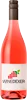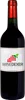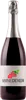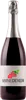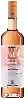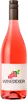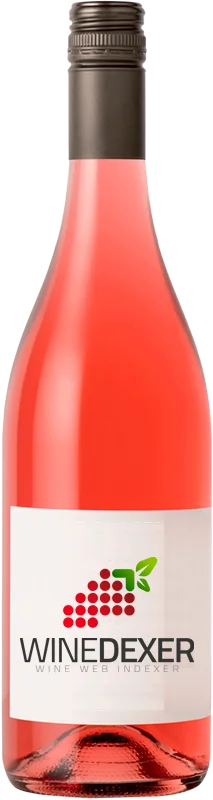
Winery ThürkindGröster Steinberg Zweigelt Rosé
 Pink wine
This wine generally goes well with blue cheese, pork or lamb.

Food and wine pairings with Gröster Steinberg Zweigelt Rosé
Pairings that work perfectly with Gröster Steinberg Zweigelt Rosé



Original food and wine pairings with Gröster Steinberg Zweigelt Rosé

The Gröster Steinberg Zweigelt Rosé of Winery Thürkind matches generally quite well with dishes of lamb, pork or mature and hard cheese such as recipes of express couscous in a pressure cooker, traditional welsh dark beer or pasta gratin with mortau sausage.
Details and technical informations about Winery Thürkind's Gröster Steinberg Zweigelt Rosé.
Discover the grape variety: Zweigelt
Supple and fruity reds with a vivid ruby colour, soft tannins and snappy acidity, with aromas of sour cherry, raspberry, red plum and gentle spices. Made as easy-drinking young reds and as more structured, oak-aged cellar wines. The most planted red variety in Austria (Burgenland, Carnuntum, Neusiedlersee), created in 1922 by Friedrich Zweigelt in Klosterneuburg, a cross of saint laurent × blaufränkisch.
Informations about the Winery Thürkind
The Winery Thürkind is one of of the world's great estates. It offers 22 wines for sale in the of Saale-Unstrut to come and discover on site or to buy online.

The wine region of Saale-Unstrut
Germany's northernmost region (Saxony-Anhalt), ~650 ha. Nordic whites that are dry, lively and mineral with signature notes of green apple, citrus, white flowers, fresh herbs and a crisp finish — a direct, thirst-quenching style. Dominant Muller-Thurgau (~22%) light and floral, Weissburgunder (Pinot Blanc) round and precise, herbaceous Silvaner and taut Riesling. Early grapes suited to the harsh continental climate.
The word of the wine: Wine vinegar
Product of acetic fermentation of wine.