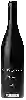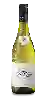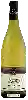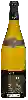
Winery The Wine SocietyThe Society's Exhibition Domaine Serge Laloue Sancerre
 White wine



In the mouth this white wine is a with a nice freshness.
This wine generally goes well with pork, vegetarian or shellfish.
Taste structure of the The Society's Exhibition Domaine Serge Laloue Sancerre from the Winery The Wine Society
Light | Bold | |
Dry | Sweet | |
Soft | Acidic |
In the mouth the The Society's Exhibition Domaine Serge Laloue Sancerre of Winery The Wine Society in the region of Loire Valley is a with a nice freshness.
Wine flavors and olphactive analysis





On the nose the The Society's Exhibition Domaine Serge Laloue Sancerre of Winery The Wine Society in the region of Loire Valley often reveals types of flavors of grapefruit, oaky or apples and sometimes also flavors of peach, butter or minerality.
Food and wine pairings with The Society's Exhibition Domaine Serge Laloue Sancerre
Pairings that work perfectly with The Society's Exhibition Domaine Serge Laloue Sancerre



Original food and wine pairings with The Society's Exhibition Domaine Serge Laloue Sancerre


The The Society's Exhibition Domaine Serge Laloue Sancerre of Winery The Wine Society matches generally quite well with dishes of pork, shellfish or spicy food such as recipes of quick brioche sausage, cantonese rice or beef fajitas.
Details and technical informations about Winery The Wine Society's The Society's Exhibition Domaine Serge Laloue Sancerre.
Discover the grape variety: Verdanel
The Verdanel grape variety is particularly cultivated in the southwestern region of Gaillac, in the Tarn department. This very old white grape variety does not fear either the cold or the heat. Today, it is very rare and almost extinct. The Verdanel is not classified in the Appellations of Controlled Origin. The Verdanel has serrated leaves, almost whole and of a tender green colour. Its conical bunches are filled with medium-sized, slightly ellipsoid fruits. When the berries reach maturity, their greenish-white color turns to golden white. A dry white wine with a low alcohol content is produced from this variety. It also has a low acidity level. This wine goes well with spicy dishes as well as lobster or red mullet.
Last vintages of this wine
The best vintages of The Society's Exhibition Domaine Serge Laloue Sancerre from Winery The Wine Society are 2016, 2018, 2015, 2017 and 2012.
Informations about the Winery The Wine Society
The Winery The Wine Society is one of of the world's great estates. It offers 179 wines for sale in the of Sancerre to come and discover on site or to buy online.

The wine region of Sancerre
The wine region of Sancerre is located in the region of Haute Loire of Loire Valley of France. Wineries and vineyards like the Domaine Edmond Vatan or the Domaine Jean-Paul Balland produce mainly wines white, red and pink. The most planted grape varieties in the region of Sancerre are Pinot noir, Chenin blanc and Chardonnay, they are then used in wines in blends or as a single variety. On the nose of Sancerre often reveals types of flavors of pineapple, wood smoke or jasmine and sometimes also flavors of fennel, pink grapefruit or green bell pepper.
The wine region of Loire Valley
The Loire Valley is a key wine region in western France. It follows the course of the Loire River on its Long journey through the heart of France, from the inland hills of the Auvergne to the plains of the French Atlantic coast near Nantes (Muscadet country). Important in terms of quantity and quality, the region produces large quantities (about 4 million h/l each year) of everyday wines, as well as some of France's greatest wines. Diversity is another of the region's major assets; the styles of wine produced here range from the light, tangy Muscadet to the Sweet, honeyed Bonnezeaux, the Sparkling whites of Vouvray and the juicy, Tannic reds of Chinon and Saumur.
The word of the wine: Free-run wine
The free-run wine is the wine that flows out of the vat by gravity at the time of running off. The marc soaked in wine is then pressed to extract a rich and tannic wine. Free-run wine and press wine are then aged separately and eventually blended by the winemaker in proportions defined according to the type of wine being made.