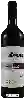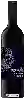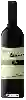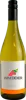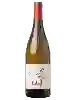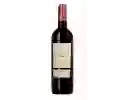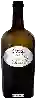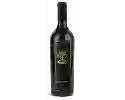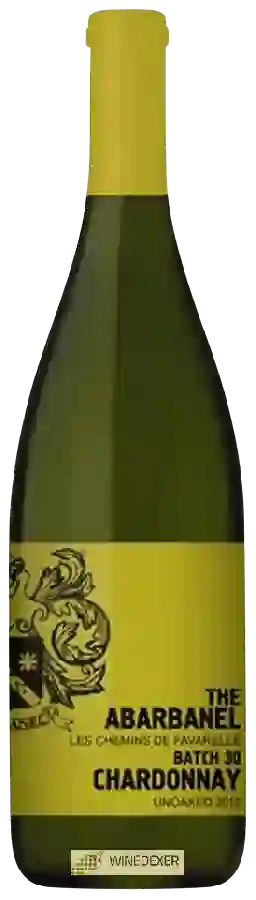
Winery The AbarbanelBatch 30 Les Chemins de Favarelle Unoaked Chardonnay
 White wine
This wine generally goes well with pork, vegetarian or poultry.

Food and wine pairings with Batch 30 Les Chemins de Favarelle Unoaked Chardonnay
Pairings that work perfectly with Batch 30 Les Chemins de Favarelle Unoaked Chardonnay



Original food and wine pairings with Batch 30 Les Chemins de Favarelle Unoaked Chardonnay

The Batch 30 Les Chemins de Favarelle Unoaked Chardonnay of Winery The Abarbanel matches generally quite well with dishes of pork, rich fish (salmon, tuna etc) or vegetarian such as recipes of baked pumpkin, salmon with honey and soy or quiche without eggs.
Details and technical informations about Winery The Abarbanel's Batch 30 Les Chemins de Favarelle Unoaked Chardonnay.
Discover the grape variety: Chardonnay
Whites with many faces: mineral and taut at Chablis (lemon, green apple, flint), opulent and buttery at Meursault and Puligny-Montrachet (hazelnut, brioche, yellow fruits), tense and chalky in Champagne (Blanc de Blancs). Also vinified sparkling and widely exported (Sonoma, Margaret River, Casablanca). A Burgundian variety, a cross of Pinot Noir × Gouais Blanc, half-sibling of Aligoté.
Informations about the Winery The Abarbanel
The Winery The Abarbanel is one of of the world's greatest estates. It offers 14 wines for sale in the of South West to come and discover on site or to buy online.

The wine region of South West
French mosaic of strong identities south of Bordeaux. Cahors and its Malbec ("black wine"): deep reds with notes of blackberry, plum, violet, tobacco and cocoa, firm tannins. Madiran and its dense, age-worthy Tannat. Jurançon whites: golden sweet (apricot, honey, pineapple) and lively dry from Petit Manseng.
The word of the wine: Muscat blanc à petits grains
A white grape variety cultivated since antiquity on the shores of the Mediterranean, it is considered the noblest of the muscats. It is mainly used to make sweet wines, often from mutage. In France, it is the sole variety used in many natural sweet wines: muscat-de-frontignan, muscat-de-mireval, muscat-de-lunel, muscat-de-saint-jean-de-minervois, muscat-de-beaumes-de-venise, muscat-du-cap-corse. Combined with Muscat d'Alexandrie, it gives Muscat-de-Rivesaltes. It is also used to make sparkling white wines (clairette-de-die; moscato d'asti and asti spumante in Italy) and dry wines (alsace-muscat). Powerfully aromatic and complex, its wines evoke fresh grapes, roses, exotic fruits, citrus fruits and spices.