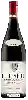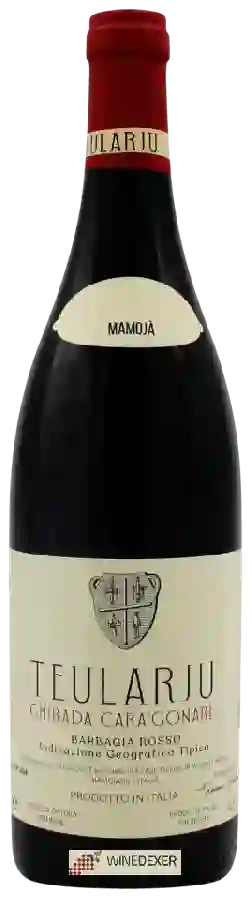
Winery TeularjuGhirada Cara Gonare Barbagia Rosso
 wine
wine
This wine generally goes well with
The Ghirada Cara Gonare Barbagia Rosso of the Winery Teularju is in the top 0 of wines of Barbagia.

Details and technical informations about Winery Teularju's Ghirada Cara Gonare Barbagia Rosso.
Discover the grape variety: Plantet
Colored, fruity reds with an intense ruby robe, smooth tannins and a supple palate, with simple aromas of red fruits (cherry, raspberry), soft spices and hybrid notes. Productive, cold- and disease-resistant profile for early drinking. Now marginal, surviving in a few French heritage plots and varietal collections for its genetic and historical interest. French black hybrid obtained by Albert Seibel (Seibel 5455).
Last vintages of this wine


The best vintages of Ghirada Cara Gonare Barbagia Rosso from Winery Teularju are 2019, 0
Informations about the Winery Teularju
The Winery Teularju is one of of the world's greatest estates. It offers 6 wines for sale in the of Barbagia to come and discover on site or to buy online.

The wine region of Barbagia
Sardinian IGT (1995) at the heart of the interior of the province of Nuoro, from the Gennargentu to the Gallura (Mamoiada, Oliena, Orgosolo). Traditional Sardinian varieties produce full-bodied reds with intense notes of black cherry, blackberry, ripe plum, myrtle, garrigue and a balsamic-spicy touch, firm tannins and a warm palate. Some fresh whites and approachable rosés. Untamed mountain identity, authentic wines.
The wine region of Sardinia
Italian Mediterranean wine island with 250+ varieties, strong native identity. Signature Cannonau (Grenache) in red: warm and deep with signature ripe cherry, garrigue, myrtle, spice and a balsamic touch, round tannins and a sun-drenched palate. Vermentino di Gallura DOCG star white (80% of Italian Vermentino): fresh and saline (citrus, pear, almond, sea iodine). Also dense Carignan, supple Monica, lively Nuragus, rare oxidative Vernaccia di Oristano.
The word of the wine: Maceration
Prolonged contact and exchange between the juice and the grape solids, especially the skin. Not to be confused with the time of fermentation, which follows maceration. The juice becomes loaded with colouring matter and tannins, and acquires aromas. For a rosé, the maceration is short so that the colour does not "rise" too much. For white wines too, a "pellicular maceration" can be practised, which allows the wine to acquire more fat.