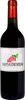
Winery TescoGrenache Rosé
 Pink wine


In the mouth this pink wine is a with a nice freshness.
This wine generally goes well with vegetarian, appetizers and snacks or lean fish.
Taste structure of the Grenache Rosé from the Winery Tesco
Light | Bold | |
Dry | Sweet | |
Soft | Acidic |
In the mouth the Grenache Rosé of Winery Tesco in the region of Pays d'Oc is a with a nice freshness.
Food and wine pairings with Grenache Rosé
Pairings that work perfectly with Grenache Rosé



Original food and wine pairings with Grenache Rosé


The Grenache Rosé of Winery Tesco matches generally quite well with dishes of pasta, vegetarian or appetizers and snacks such as recipes of pasta with chicken, peppers and mushrooms, broccoli and blue cheese quiche without pastry or emulsion of foie gras with pata negra.
Details and technical informations about Winery Tesco's Grenache Rosé.
Discover the grape variety: Beaunoir
A very old grape variety from the Aube department and the Châtillon sur Seine district in the Côte d'Or. It is said to be the descendant of a natural intraspecific crossing between pinot noir and gouais blanc. Today, it is almost absent in the vineyard.
Last vintages of this wine
The best vintages of Grenache Rosé from Winery Tesco are 2013
Informations about the Winery Tesco
The Winery Tesco is one of wineries to follow in Pays d'Oc.. It offers 392 wines for sale in the of Pays d'Oc to come and discover on site or to buy online.

The wine region of Pays d'Oc
Pays d'Oc is the PGI for red, white and rosé wines that are produced over a wide area of the southern coast of France. The PGI catchment area corresponds roughly to the Languedoc-roussillon">Languedoc-Roussillon wine region, one of the largest wine regions in France. The area covers all wines that are not produced under the strict laws that govern AOC-level appellations in the regions: among them, Corbières, Minervois and the Languedoc appellation itself. The Pays d'Oc PGI is arguably the most important in France, producing the majority of the country's PGI wines.
The word of the wine: Muscat blanc à petits grains
A white grape variety cultivated since antiquity on the shores of the Mediterranean, it is considered the noblest of the muscats. It is mainly used to make sweet wines, often from mutage. In France, it is the sole variety used in many natural sweet wines: muscat-de-frontignan, muscat-de-mireval, muscat-de-lunel, muscat-de-saint-jean-de-minervois, muscat-de-beaumes-de-venise, muscat-du-cap-corse. Combined with Muscat d'Alexandrie, it gives Muscat-de-Rivesaltes. It is also used to make sparkling white wines (clairette-de-die; moscato d'asti and asti spumante in Italy) and dry wines (alsace-muscat). Powerfully aromatic and complex, its wines evoke fresh grapes, roses, exotic fruits, citrus fruits and spices.