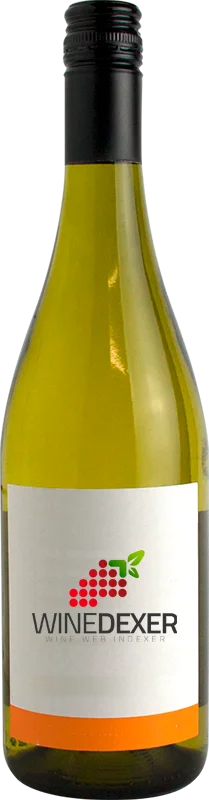
Winery Tenuta Il CornoAlbios Bianco di Toscana
 White wine


In the mouth this white wine is a with a nice freshness.
This wine generally goes well with vegetarian, appetizers and snacks or lean fish.
Taste structure of the Albios Bianco di Toscana from the Winery Tenuta Il Corno
Light | Bold | |
Dry | Sweet | |
Soft | Acidic |
In the mouth the Albios Bianco di Toscana of Winery Tenuta Il Corno in the region of Tuscany is a with a nice freshness.
Wine flavors and olphactive analysis

Food and wine pairings with Albios Bianco di Toscana
Pairings that work perfectly with Albios Bianco di Toscana



Original food and wine pairings with Albios Bianco di Toscana


The Albios Bianco di Toscana of Winery Tenuta Il Corno matches generally quite well with dishes of pasta, vegetarian or appetizers and snacks such as recipes of fettuccine with cream and cheese, goat cheese and bacon quiche or emulsion of foie gras with pata negra.
Details and technical informations about Winery Tenuta Il Corno's Albios Bianco di Toscana.
Discover the grape variety: Courbu
Courbu is indigenous to the Pyrenean vineyards. This white grape variety is part of the Jurançon family. Three clones are recognized in this variety, which buds in the medium term, develops regularly and has satisfactory productivity. The way in which the shoots form is characteristic. Initially upright, they bend and curve, giving a parasol-like finish to the vine. A vigorous rootstock is recommended to see the Courbu develop and mature at a late age. The small clusters display quite distinctive features. Not necessarily winged, they are pignate and stocky, with a rounded or rather flattened shape. A light pink veil covers the most mature berries, but the original colour varies from yellow-green to golden white. Vinification enhances the juice of this variety. The bouquet becomes more refined with age under a pale yellow colour. Dry or sweet, this wine is always remarkably fine.
Last vintages of this wine
The best vintages of Albios Bianco di Toscana from Winery Tenuta Il Corno are 0
Informations about the Winery Tenuta Il Corno
The Winery Tenuta Il Corno is one of of the world's great estates. It offers 15 wines for sale in the of Tuscany to come and discover on site or to buy online.

The wine region of Tuscany
Tuscany is one of the most famous and prolific wine regions in Europe. It is best known for its Dry red wines made from Sangiovese grapes, which dominate production. These include Chianti, Brunello di Montalcino and Vino Nobile di Montepulciano. The region's Vin Santo is also highly prized, as are its passito dessert wines, though these are produced in comparatively tiny quantities.
The word of the wine: Suave
Said of a fine and unctuous wine.