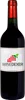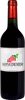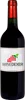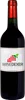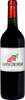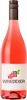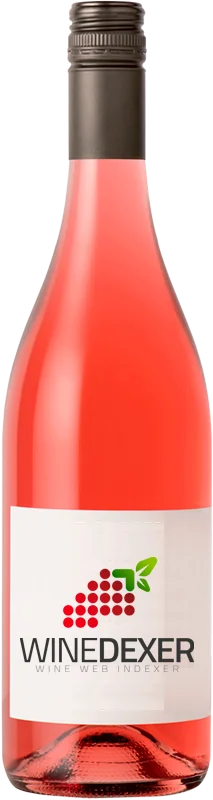
Winery Temple BruerPreservative Free Dry Rosé
 Pink wine


This wine generally goes well with beef, lamb or mature and hard cheese.

Food and wine pairings with Preservative Free Dry Rosé
Pairings that work perfectly with Preservative Free Dry Rosé



Original food and wine pairings with Preservative Free Dry Rosé

The Preservative Free Dry Rosé of Winery Temple Bruer matches generally quite well with dishes of beef, lamb or spicy food such as recipes of fondue bourguignonne and accompanying sauces, leg or shoulder of lamb with honey and thyme or beef fajitas.
Details and technical informations about Winery Temple Bruer's Preservative Free Dry Rosé.
Discover the grape variety: Dolcetto
Supple, fruity reds best drunk young, with a sustained ruby robe and violet hues, melted tannins and an airy palate with low acidity, showing signature aromas of blackberry, plum, black cherry, almond and floral notes. Star of Dogliani DOCG and Dolcetto d'Alba DOC in Piedmont, perfect with cured meats and Piedmontese pasta. Emblematic native Piedmontese black grape whose name evokes the sweetness of ripe fruit.
Last vintages of this wine
The best vintages of Preservative Free Dry Rosé from Winery Temple Bruer are 0
Informations about the Winery Temple Bruer
The Winery Temple Bruer is one of of the world's great estates. It offers 33 wines for sale in the of Australie du Sud to come and discover on site or to buy online.

The wine region of Australie du Sud
Cradle of the great Australian Shiraz: powerful, sun-drenched reds with notes of blackberry, candied plum, pepper, chocolate and eucalyptus, ample tannins and vibrant fruit (Barossa, McLaren Vale). Firm, minty Cabernet Sauvignon on Coonawarra (terra rossa). Dry, lemony Riesling from Clare and Eden Valley, straight and taut. Fresh Sauvignon and Chardonnay from Adelaide Hills.
The word of the wine: Solera
A method of maturing practiced in Andalusia for certain sherries, which aims to continuously blend older and younger wines. It consists of stacking several layers of barrels; those located at ground level (solera) contain the oldest wines, the youngest being stored in the barrels on the upper level. The wine to be bottled is taken from the barrels on the lower level, which is replaced by younger wine from the upper level, and so on.