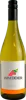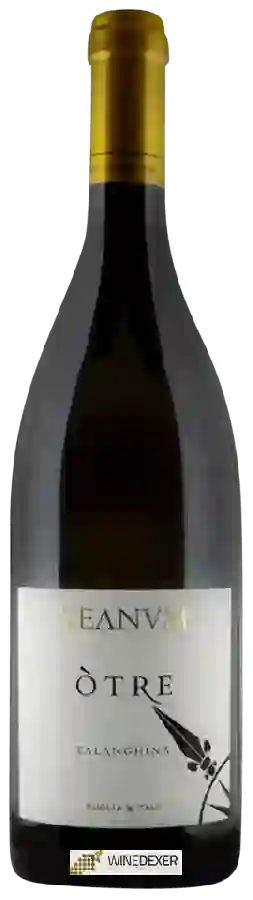
Winery TeanumÒtre Falanghina
 White wine


In the mouth this white wine is a powerful with a nice freshness.
This wine generally goes well with vegetarian, appetizers and snacks or shellfish.

Taste structure of the Òtre Falanghina from the Winery Teanum
Light | Bold | |
Dry | Sweet | |
Soft | Acidic |
In the mouth the Òtre Falanghina of Winery Teanum in the region of Puglia is a powerful with a nice freshness.
Food and wine pairings with Òtre Falanghina
Pairings that work perfectly with Òtre Falanghina



Original food and wine pairings with Òtre Falanghina
The Òtre Falanghina of Winery Teanum matches generally quite well with dishes of shellfish, vegetarian or appetizers and snacks such as recipes of grilled lobster with tarragon cream sauce, cream and tuna quiche or bacon-gruyere-tomato cake.
Details and technical informations about Winery Teanum's Òtre Falanghina.
Discover the grape variety: Attiki
Light and fruity reds with a clear ruby hue, smooth tannins and an airy palate with preserved acidity, featuring signature aromas of red fruits (cherry, raspberry), Mediterranean herbs (thyme, rosemary) and Attic garrigue notes. Airy rustic profile. Preserved for its heritage value, it occasionally participates in regional blends and bears witness to Greek ampelographic diversity. Rare Greek black variety, grown in Attica in the Athens region.
Last vintages of this wine
The best vintages of Òtre Falanghina from Winery Teanum are 0
Informations about the Winery Teanum
The Winery Teanum is one of of the world's great estates. It offers 76 wines for sale in the of Puglia to come and discover on site or to buy online.

The wine region of Puglia
Heel of the boot, 80% red vineyard, sunny and generous. Fleshy, jammy Primitivo (= Zinfandel) with notes of black cherry, plum, chocolate and spices, powerful alcohol and melted tannins, a star in Primitivo di Manduria. Deep, structured Negroamaro (black-bitter) with a bitter finish in Salice Salentino. Structured Nero di Troia, spicy Susumaniello.
The word of the wine: Concentrator
A device that removes water from grape must by reverse osmosis or entropy system. Its proponents say that it is better to remove water than to add sugar to produce more alcohol. The improperly used concentrator can also exaggerate bad tastes or greenness of tannins.