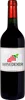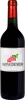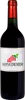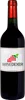
Winery TauzherCabernet Sauvignon
 wine
wine
This wine generally goes well with
The Cabernet Sauvignon of the Winery Tauzher is in the top 0 of wines of Karst.
Details and technical informations about Winery Tauzher's Cabernet Sauvignon.
Discover the grape variety: Irsay Oliver
Obtained in Hungary in 1930 by Pal Kocsis by crossing the pozsonyi fehér (pressburger or white presburg) and the pearl of Csaba. This double-ended variety is found in Hungary, Ukraine, Russia, the Slovak Republic (small Carpathians), the Czech Republic (Moravia), etc. It is virtually unknown in France.
Informations about the Winery Tauzher
The Winery Tauzher is one of of the world's greatest estates. It offers 8 wines for sale in the of Karst to come and discover on site or to buy online.

The wine region of Karst
The wine region of Karst is located in the region of Primorje of Slovenia. Wineries and vineyards like the Domaine Štoka or the Domaine Štoka produce mainly wines white, red and sparkling. The most planted grape varieties in the region of Karst are Cabernet-Sauvignon, Merlot and Terrano, they are then used in wines in blends or as a single variety. On the nose of Karst often reveals types of flavors of red fruit, non oak or black fruit and sometimes also flavors of nectarine, dried fruit or floral.
The wine region of Primorje
The wine region of Primorje of Slovenia. Wineries and vineyards like the Domaine Batič or the Domaine Aci Urbajs produce mainly wines white, red and sparkling. The most planted grape varieties in the region of Primorje are Cabernet-Sauvignon, Merlot and Chardonnay, they are then used in wines in blends or as a single variety. On the nose of Primorje often reveals types of flavors of tropical, apricot or plum and sometimes also flavors of pepper, black fruits or chocolate.
The word of the wine: Varietal
Said of wine aromas that are reminiscent of fresh grapes. The most demonstrative example is certainly that of wines made from the Muscat grape variety.