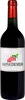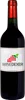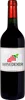
Winery TamancaTinto Roble
 Red wine



In the mouth this red wine is a powerful with a nice freshness.
This wine generally goes well with poultry, beef or veal.
The Tinto Roble of the Winery Tamanca is in the top 10 of wines of Iles Canaries.

Taste structure of the Tinto Roble from the Winery Tamanca
Light | Bold | |
Smooth | Tannic | |
Dry | Sweet | |
Soft | Acidic |
In the mouth the Tinto Roble of Winery Tamanca in the region of Iles Canaries is a powerful with a nice freshness.
Wine flavors and olphactive analysis

Food and wine pairings with Tinto Roble
Pairings that work perfectly with Tinto Roble



Original food and wine pairings with Tinto Roble

The Tinto Roble of Winery Tamanca matches generally quite well with dishes of beef, pasta or veal such as recipes of kafta bil saniyeh (lebanese dish), pasta romantica or pork shank stew.
Details and technical informations about Winery Tamanca's Tinto Roble.
Discover the grape variety: Raboso Piave
Structured, tannic reds with an inky robe, firm tannins and sharp high acidity (hence its name, rabbioso = fierce), with aromas of sour cherry, blackberry, plum, spice, leather, tobacco and balsamic notes. Fine ageing potential after several years of elevage. Star of Piave Malanotte DOCG (partly from dried grapes) and Piave Raboso DOC in the province of Treviso, along the Piave river. Very late-ripening autochthonous Venetian variety.
Last vintages of this wine
The best vintages of Tinto Roble from Winery Tamanca are 0, 2017
Informations about the Winery Tamanca
The Winery Tamanca is one of of the world's greatest estates. It offers 10 wines for sale in the of Iles Canaries to come and discover on site or to buy online.

The wine region of Iles Canaries
Spanish vineyard archipelago spared by phylloxera, ~50 grape varieties of which 20 unique worldwide. Black volcanic soils and sub-tropical oceanic climate. Listán Negro in light, spicy red with signature notes of red cherry, wild strawberry, smoke, pepper and a volcanic mineral touch, fine tannins — an atypical style. Supple Negramoll, fresh Listán Blanco (citrus, flowers), aromatic Malvasía (candied orange, honey) historically famous.
The word of the wine: PGI
Protected geographical indication. Equivalent to vin de pays in European regulations.