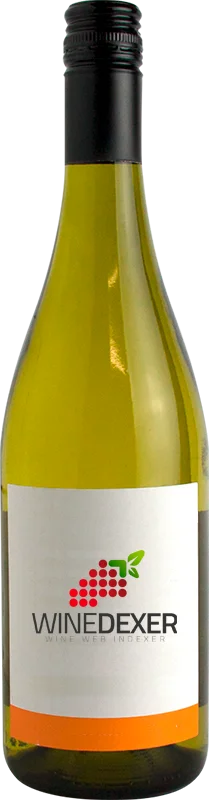
Winery Tall Tale WinesSémillon
 White wine



This wine generally goes well with poultry, rich fish (salmon, tuna etc) or shellfish.

Food and wine pairings with Sémillon
Pairings that work perfectly with Sémillon



Original food and wine pairings with Sémillon

The Sémillon of Winery Tall Tale Wines matches generally quite well with dishes of rich fish (salmon, tuna etc), shellfish or sweet desserts such as recipes of sea bream in foil on the barbecue, indian chicken (simplified korma) or quick chocolate fudge cake.
Details and technical informations about Winery Tall Tale Wines's Sémillon.
Discover the grape variety: Pougnet
Light, simple fruity reds with a lightly coloured clear ruby robe, soft tannins, airy palate and moderate acidity; unassuming aromas of red fruits. Discreet, rustic style. Nearly extinct, preserved in INRAE varietal collections for its heritage value, testifying to the pre-phylloxera ampelographic diversity of the South-West. Rare French black grape, formerly cultivated in the South-West.
Last vintages of this wine
The best vintages of Sémillon from Winery Tall Tale Wines are 0
Informations about the Winery Tall Tale Wines
The Winery Tall Tale Wines is one of of the world's greatest estates. It offers 5 wines for sale in the of British Columbia to come and discover on site or to buy online.

The wine region of British Columbia
Canada's west-coast benchmark, wine heartland in the Okanagan Valley. Semi-desert continental climate, marked temperature swings: signature Pinot Gris (pear, honey, spice, round palate), fresh, fine Pinot Noir (cherry, undergrowth), precise Chardonnay and taut Riesling in the north. Hot south for dense Cabernet Sauvignon, round Merlot and peppery Syrah. Also exceptional Icewine (Vidal, Riesling).
The word of the wine: Closed
A flat wine that does not express its aromas.