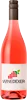
Winery TakizawaPinot Noir
 Red wine


This wine generally goes well with pork, poultry or veal.

Wine flavors and olphactive analysis




On the nose the Pinot Noir of Winery Takizawa in the region of Hokkaidō-ken often reveals types of flavors of non oak, earth or oak and sometimes also flavors of spices, red fruit or black fruit.
Food and wine pairings with Pinot Noir
Pairings that work perfectly with Pinot Noir



Original food and wine pairings with Pinot Noir


The Pinot Noir of Winery Takizawa matches generally quite well with dishes of veal, pork or game (deer, venison) such as recipes of axoa from espelette ( 22nd meeting ), pork roulades with cream and mushrooms or rabbit with chorizo.
Details and technical informations about Winery Takizawa's Pinot Noir.
Discover the grape variety: Pinot noir
Elegant reds, light in colour with silky tannins, showing strawberry, cherry and raspberry aromas, evolving to forest floor, mushroom and spice with age. Fresh acidity, delicate finish. Star of the Côte d'Or (Romanée-Conti, Chambertin, Volnay), pillar of Champagne (Blanc de Noirs) and signature of Oregon, Central Otago and Sonoma Coast. An early-ripening Burgundian variety, one of the world's greatest.
Last vintages of this wine

The best vintages of Pinot Noir from Winery Takizawa are 2017, 0, 2014
Informations about the Winery Takizawa
The Winery Takizawa is one of of the world's greatest estates. It offers 18 wines for sale in the of Hokkaidō-ken to come and discover on site or to buy online.

The wine region of Hokkaidō-ken
Japan's northernmost island (43°N, Burgundy latitude), cool-climate region on the rise. Signature Pinot Noir tailored for cold: fine, silky reds with signature tart cherry, raspberry, undergrowth, sweet spice and a mineral touch, delicate tannins and taut freshness — compared to cool-vintage Burgundies. Kerner (German crossing) in aromatic muscat-scented white (citrus, peach, flowers). Also precise Chardonnay, supple Zweigelt.
The word of the wine: Flavours
There are generally four so-called fundamental flavours: acidity, bitterness, sweetness and saltiness. The first three are considered to be the building blocks of the structure of wines. They are perceived by the taste buds that cover the surface of the tongue.