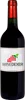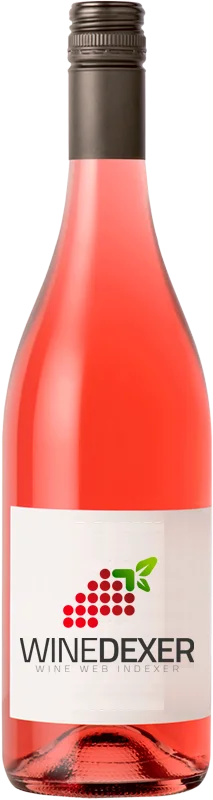
Winery Ta Mena - Marsamena WinesGregal Rosé
 Pink wine


This wine is a blend of 2 varietals which are the Tempranillo and the Merlot.
This wine generally goes well with pork, beef or game (deer, venison).
Food and wine pairings with Gregal Rosé
Pairings that work perfectly with Gregal Rosé



Original food and wine pairings with Gregal Rosé



The Gregal Rosé of Winery Ta Mena - Marsamena Wines matches generally quite well with dishes of beef, lamb or pork such as recipes of beef bobotie, moroccan lamb shoulder or new york hot dog.
Details and technical informations about Winery Ta Mena - Marsamena Wines's Gregal Rosé.
Discover the grape variety: Tempranillo
The black Tempranillo is a grape variety native to Spain. It produces a variety of grape specially used for the elaboration of wine. It is rare to find this grape to eat on our tables. This variety of grape is characterized by medium-sized bunches and medium-sized grapes. The black Tempranillo can be found in several vineyards: South-West, Languedoc & Roussillon, Cognac, Bordeaux, Rhone valley, Provence & Corsica, Loire valley, Savoie & Bugey, Beaujolais.
Last vintages of this wine
The best vintages of Gregal Rosé from Winery Ta Mena - Marsamena Wines are 2015, 0
Informations about the Winery Ta Mena - Marsamena Wines
The Winery Ta Mena - Marsamena Wines is one of of the world's great estates. It offers 22 wines for sale in the of Gozo to come and discover on site or to buy online.

The wine region of Gozo
Sister island of Malta (67 km2, central Mediterranean archipelago), vineyards on the north coast in microclimates sheltered from sea salt, ripening one week after the main island. Merlot reigns in supple red with plum, cherry, chocolate and Mediterranean herb touch, round tannins. Dense Cabernet Sauvignon, peppery Syrah, sunny Grenache (up to 84% in DOK Gozo). Ample Chardonnay, Girgentina white and Gellewa red, indigenous and phylloxera-resistant.
The word of the wine: Rancio
Odour and taste characteristic of certain wines that have undergone oxidative maturation, i.e. in contact with oxygen (vin jaune du Jura, dry rancio du Roussillon, maury, banyuls, rivesaltes, etc.).