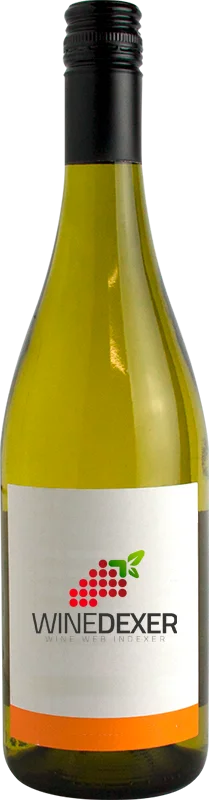
Winery EnvínateTáganan Campanario
 White wine


This wine generally goes well with
Wine flavors and olphactive analysis






On the nose the Táganan Campanario of Winery Envínate in the region of Iles Canaries often reveals types of flavors of non oak, earth or microbio and sometimes also flavors of vegetal, oak or tree fruit.
Details and technical informations about Winery Envínate's Táganan Campanario.
Discover the grape variety: Iona
It is said to come from a seedling of diana - the latter is also a seedling of catawba - and propagated in 1860 by Dr. C.W. Grant, the introduction in the United States would date from 1863. Other ampelographers give it as coming directly from a seedling of catawba. The only certainty is that it is an interspecific cross with Vitis Labrusca as a parent. It should be noted that it is the parent of the diamond and the golden muscat. Iona can be found in the United States, Canada, New Zealand, etc. In France it is totally unknown. This variety can only be of interest to amateur gardeners, on the one hand to enlarge their collections and on the other hand, because it produces an excellent juice.
Last vintages of this wine
The best vintages of Táganan Campanario from Winery Envínate are 2018, 0
Informations about the Winery Envínate
The Winery Envínate is one of of the world's great estates. It offers 40 wines for sale in the of Iles Canaries to come and discover on site or to buy online.

The wine region of Iles Canaries
The archipelago of the Canary Islands (or Las Canarias) is an autonomous community of Spain located in the North Atlantic Ocean, 110 km from the west coast of Morocco. The wine trade there is far from famous - few local wines come out of the Canary Islands - but there is a Long and unique wine tradition in the region. The spectacularly high Canary Islands are located at a latitude of about 28°N, making it the most tropical wine region in Europe. It was thanks to this position, once traversed by naval trade routes, that the local wine industry flourished, shortly after the islands came under Spanish control in the early 15th century.
The word of the wine: Tannic
Said of an astringent wine rich in tannins.