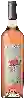
Winery La SuzienneFleurs de Rosé
 Pink wine
This wine generally goes well with beef, lamb or mature and hard cheese.

Food and wine pairings with Fleurs de Rosé
Pairings that work perfectly with Fleurs de Rosé



Original food and wine pairings with Fleurs de Rosé

The Fleurs de Rosé of Winery La Suzienne matches generally quite well with dishes of beef, lamb or spicy food such as recipes of dombrés and pig tails, braised lamb with peppers or homemade pork curry.
Details and technical informations about Winery La Suzienne's Fleurs de Rosé.
Discover the grape variety: Rubilande
Light, lively rosés best enjoyed young, with a pale pink robe and an airy palate of preserved acidity, showing discreet aromas of red fruits and flowers. Rustic, understated profile. Almost extinct, preserved in INRAE varietal collections for its heritage value, this pink French variety testifies to the pre-phylloxera ampelographic diversity of French vineyards.
Informations about the Winery La Suzienne
The Winery La Suzienne is one of of the world's great estates. It offers 52 wines for sale in the of Grignan-les-Adhémar to come and discover on site or to buy online.

The wine region of Grignan-les-Adhémar
Rhône AOC in the north of Drôme Provençale (left bank): Syrah signature as king red (>=10%) with Grenache Noir — ruby robe with violet hints and fruity-spicy profile with signature notes of red and black fruits, garrigue, liquorice, spices and a floral oaked touch, balanced tannins and southern freshness, 10-year keeping for Syrah. AOC (2010, formerly Coteaux du Tricastin), ~1,800 ha between Dauphiné and Provence, limestone, clay and pebble soils, mistral.
The wine region of Rhone Valley
France's 2nd-largest AOC vineyard, two complementary worlds. Northern: pure Syrah in signature reds (Côte-Rôtie, Hermitage, Cornas), deep and peppery with blackberry, violet, black olive and smoked bacon notes, exceptional ageing. Opulent Viognier whites (Condrieu, apricot, flowers) and ample Marsanne-Roussanne. Southern: sun-soaked Grenache blends at Châteauneuf, Gigondas, Vacqueyras (candied fruit, garrigue).
The word of the wine: Aqueous
Said of a diluted wine for which one has the impression that water has been added.