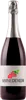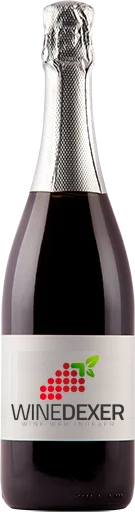
Winery SuppererZweigelt Rosé Frizzante
 Sparkling wine
This wine generally goes well with blue cheese, pork or lamb.

Food and wine pairings with Zweigelt Rosé Frizzante
Pairings that work perfectly with Zweigelt Rosé Frizzante



Original food and wine pairings with Zweigelt Rosé Frizzante

The Zweigelt Rosé Frizzante of Winery Supperer matches generally quite well with dishes of lamb, pork or mature and hard cheese such as recipes of eggplant, lamb and goat lasagna, tagliatelle with carbonara or savoyard crozet gratin.
Discover the grape variety: Zweigelt
Supple and fruity reds with a vivid ruby colour, soft tannins and snappy acidity, with aromas of sour cherry, raspberry, red plum and gentle spices. Made as easy-drinking young reds and as more structured, oak-aged cellar wines. The most planted red variety in Austria (Burgenland, Carnuntum, Neusiedlersee), created in 1922 by Friedrich Zweigelt in Klosterneuburg, a cross of saint laurent × blaufränkisch.
Informations about the Winery Supperer
The Winery Supperer is one of of the world's greatest estates. It offers 12 wines for sale in the of Wachau to come and discover on site or to buy online.

The wine region of Wachau
Austrian jewel of racy whites on Danube terraces (35 km): signature Grüner Veltliner as white king — full-bodied and peppery with notes of citrus, green apple, lentil, stone fruit and a peppery mineral touch, taut acidity. Taut, tropical Riesling on gneiss (gföhler) with notes of apricot, peach, citrus and racy minerality — great ageing. Steinfeder/Federspiel/Smaragd classification. Vertiginous slopes, loess and gneiss.
The wine region of Weinland
Vast German-speaking region in north-eastern Switzerland, the country's largest production area. Signature Pinot Noir (Blauburgunder): fine, fresh reds with notes of cherry, raspberry, undergrowth and sweet spices, silky tannins. Elegant, delicate style, often barrel-aged. Also light, floral Müller-Thurgau (Riesling-Sylvaner), lively, lemony native Räuschling, ample Pinot Gris.
The word of the wine: Mouth
The mouth is the third stage of wine tasting after the eye and nose. In the mouth, the taster identifies the aromas through the retronasal route, the flavours and the texture. It is in the mouth that the overall balance of the wine is apprehended.