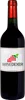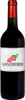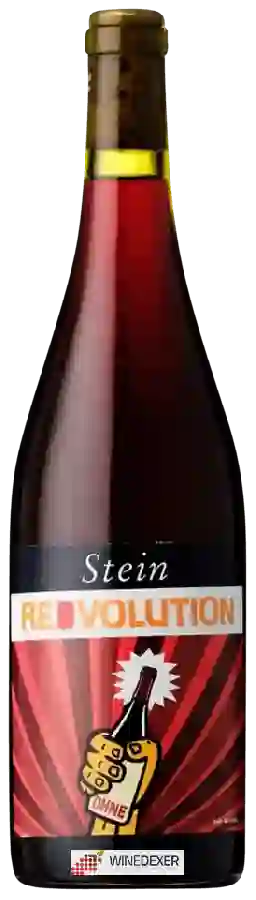
Winery SteinRedvolution
 Red wine



In the mouth this red wine is a with a nice freshness.
This wine generally goes well with poultry, beef or veal.

Taste structure of the Redvolution from the Winery Stein
Light | Bold | |
Smooth | Tannic | |
Dry | Sweet | |
Soft | Acidic |
In the mouth the Redvolution of Winery Stein in the region of Mosel is a with a nice freshness.
Wine flavors and olphactive analysis

Food and wine pairings with Redvolution
Pairings that work perfectly with Redvolution



Original food and wine pairings with Redvolution

The Redvolution of Winery Stein matches generally quite well with dishes of beef, veal or game (deer, venison) such as recipes of beef tongue with vegetables and madeira sauce, veal tagine with artichokes and lemons or roast venison with green pepper sauce.
Details and technical informations about Winery Stein's Redvolution.
Discover the grape variety: Ravat blanc
Simple, fresh dry whites with a pale golden robe, supple palate and preserved acidity, with undemonstrative aromas of white flowers, citrus (lemon) and hybrid notes. Productive profile for early drinking. Grown in small quantities in France and Canada for continental-climate vineyards, a witness to post-phylloxera French hybridization history. French white hybrid created by Jean-François Ravat in the early 20th century.
Last vintages of this wine
The best vintages of Redvolution from Winery Stein are 0
Informations about the Winery Stein
The Winery Stein is one of of the world's great estates. It offers 58 wines for sale in the of Mosel to come and discover on site or to buy online.

The wine region of Mosel
Kingdom of lively, crystalline Riesling: citrus, green apple, gunflint, tangy tension and signature slate minerality. From light, fruity Kabinett to off-dry Spätlese, up to sweet Auslese and Trockenbeerenauslese of rare finesse. Some supple Müller-Thurgau and lively Elbling. Steeply sloped vineyards (up to 65% at the Bremmer Calmont) on blue and grey slate, 5,400 ha of Riesling (61.
The word of the wine: Rosé de saignée
A method of making rosé wine that consists of partially draining a vat of red wine after a few hours of maceration. The longer the maceration, the stronger the colour. This practice gives rich and expressive rosés.