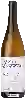
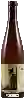
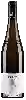
Winery Stefan VetterSylvaner Muschelkalk
 White wine


In the mouth this white wine is a with a nice freshness.
This wine generally goes well with pork, vegetarian or poultry.

Taste structure of the Sylvaner Muschelkalk from the Winery Stefan Vetter
Light | Bold | |
Dry | Sweet | |
Soft | Acidic |
In the mouth the Sylvaner Muschelkalk of Winery Stefan Vetter in the region of Franken is a with a nice freshness.
Wine flavors and olphactive analysis


On the nose the Sylvaner Muschelkalk of Winery Stefan Vetter in the region of Franken often reveals types of flavors of earth, tree fruit.
Food and wine pairings with Sylvaner Muschelkalk
Pairings that work perfectly with Sylvaner Muschelkalk



Original food and wine pairings with Sylvaner Muschelkalk


The Sylvaner Muschelkalk of Winery Stefan Vetter matches generally quite well with dishes of veal, pork or vegetarian such as recipes of paupiettes in a casserole with cream, croziflette or tuna, pepper and tomato quiche.
Details and technical informations about Winery Stefan Vetter's Sylvaner Muschelkalk.
Discover the grape variety: Arinto dos Açores
Vivid, mineral whites with a strong volcanic imprint, pale golden robe, tense palate, showing signature aromas of citrus (lemon), white flowers, white-fleshed fruits and remarkable saline marine nuances. Star of the Pico DOP and Biscoitos DOP on the basaltic soils of the volcanic islands of Pico and Terceira, representing the viticultural identity of the Atlantic archipelago. Portuguese white autochtone variety of the Azores, unrelated to continental Arinto.
Last vintages of this wine

The best vintages of Sylvaner Muschelkalk from Winery Stefan Vetter are 2017, 2016, 0
Informations about the Winery Stefan Vetter
The Winery Stefan Vetter is one of of the world's greatest estates. It offers 24 wines for sale in the of Franken to come and discover on site or to buy online.

The wine region of Franken
Homeland of German Silvaner: dry, straight, mineral and lively whites with notes of green apple, citrus, fresh herbs and a saline touch, planted here for over 350 years (1,500 ha, a quarter of the vineyard). Also supple, floral Müller-Thurgau, taut Riesling, aromatic Bacchus. Some discreet reds (Spätburgunder). 6,040 ha in Bavaria along the Main around Würzburg, red sandstone and shell-limestone soils.
The word of the wine: Reserve wine (champagne)
Older wines, kept in vats or aged in wood in some houses, or kept in magnums at Bollinger. A small percentage of these wines are used in the blending of non-vintage wines in order to bring greater aromatic complexity.