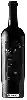
Cave St-PierreSyrah
 Red wine
In the mouth this red wine is a powerful with a nice balance between acidity and tannins.
This wine generally goes well with poultry, beef or game (deer, venison).

Taste structure of the Syrah from the Cave St-Pierre
Light | Bold | |
Smooth | Tannic | |
Dry | Sweet | |
Soft | Acidic |
In the mouth the Syrah of Cave St-Pierre in the region of Valais is a powerful with a nice balance between acidity and tannins.
Food and wine pairings with Syrah
Pairings that work perfectly with Syrah



Original food and wine pairings with Syrah

The Syrah of Cave St-Pierre matches generally quite well with dishes of beef, lamb or game (deer, venison) such as recipes of roasted fillet of beef with parsley, lamb mice confit and melting carrots or duck with orange and honey.
Details and technical informations about Cave St-Pierre's Syrah.
Discover the grape variety: Samsó
Structured, intensely coloured reds with a deep ruby colour, firm tannins and dense, alcoholic palate, showing signature aromas of red and black fruits (cherry, blackberry), liquorice, spices, Mediterranean garrigue and balsamic notes. Good ageing potential. A component of the great modern Catalan reds from DO Empordà, Penedès, Priorat and Montsant. Catalan synonym for carignan (sometimes cinsault depending on the region), a historic Mediterranean black variety.
Informations about the Cave St-Pierre
The Cave St-Pierre is one of of the world's great estates. It offers 55 wines for sale in the of Valais to come and discover on site or to buy online.

The wine region of Valais
Switzerland's largest vineyard, capital of native grapes. Straight, precise alpine whites: light, floral Chasselas (Fendant), signature Petite Arvine with saline, grapefruit and rhubarb notes, rich, apricoty Amigne, mineral Humagne Blanche. Altitude reds: fine Pinot Noir, crisp Gamay, native Cornalin and Humagne Rouge, spicy and deep. Highly precise alpine age-worthy wines.
The word of the wine: Alcoholic fermentation
Transformation of sugars into alcohol under the effect of yeast. These yeasts exist in their natural state in the vineyards and in the cellars. Artificial seeding with selected yeasts is however very often practiced.