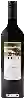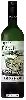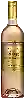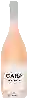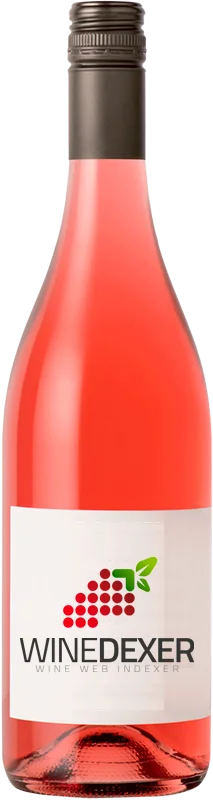
Château Saint EutropeCorbières Rosé
 Pink wine
This wine generally goes well with vegetarian, appetizers and snacks or lean fish.

Food and wine pairings with Corbières Rosé
Pairings that work perfectly with Corbières Rosé



Original food and wine pairings with Corbières Rosé


The Corbières Rosé of Château Saint Eutrope matches generally quite well with dishes of pasta, vegetarian or appetizers and snacks such as recipes of the real recipe for carbonara, quiche with leeks and fresh salmon from flo or tapenade with green olives.
Details and technical informations about Château Saint Eutrope's Corbières Rosé.
Discover the grape variety: Auxerrois
Rich, round whites with tender mouth and moderate acidity, featuring aromas of ripe yellow fruits, white flowers, subtle honey, fresh almond and brioche notes. Often blended with Pinot Blanc in Alsace (cuvées labelled "Pinot Blanc" often contain a good proportion) and a pillar of Crémant d'Alsace. Also in French and Luxembourgish Moselle, Côtes-de-Toul and Baden. Lorraine grape, a Pinot Noir × Gouais Blanc cross, half-sibling of Chardonnay.
Informations about the Château Saint Eutrope
The Château Saint Eutrope is one of wineries to follow in Corbières.. It offers 2 wines for sale in the of Corbières to come and discover on site or to buy online.

The wine region of Corbières
Largest AOC in Languedoc, 95% Mediterranean reds. Signature old-vine Carignan (up to 60%): fleshy reds with black fruit, garrigue, black olive, spice and tight tannins. Blended with round, sunny Grenache, peppery Syrah, dense Mourvèdre and supple Cinsault. A few fresh rosés and whites (Grenache Blanc, Roussanne).
The wine region of Languedoc-Roussillon
Largest single French vineyard, dominated by sunny, generous reds. Spicy Syrah, candied Grenache (ripe fruit, garrigue), structured Carignan, deep Mourvèdre, supple Cinsault. Stars: structured Corbières, Minervois, Faugères, Saint-Chinian; round Côtes-du-Roussillon. Legendary vins doux naturels: Banyuls and Maury (fortified Grenache) with notes of cocoa, fig, prune.
The word of the wine: Rosé de saignée
A method of making rosé wine that consists of partially draining a vat of red wine after a few hours of maceration. The longer the maceration, the stronger the colour. This practice gives rich and expressive rosés.