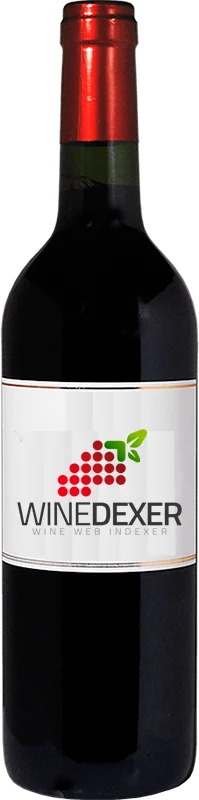
Winery St. CousairTakayama Rouge
 Red wine


This wine is a blend of 2 varietals which are the Cabernet-Sauvignon and the Merlot.
This wine generally goes well with poultry, beef or game (deer, venison).

Food and wine pairings with Takayama Rouge
Pairings that work perfectly with Takayama Rouge



Original food and wine pairings with Takayama Rouge


The Takayama Rouge of Winery St. Cousair matches generally quite well with dishes of beef, lamb or game (deer, venison) such as recipes of small stuffed fish from nice, lamb tagine with vegetables and preserved lemons or roast duck breast stuffed with foie gras confit.
Details and technical informations about Winery St. Cousair's Takayama Rouge.
Discover the grape variety: Cabernet-Sauvignon
Structured, tannic reds, deeply coloured, with aromas of blackcurrant, blackberry, cedar, tobacco and graphite, underpinned by firm acidity and fine ageing potential. Cornerstone of the great Médoc estates (Pauillac, Saint-Estèphe, Saint-Julien) and signature of Napa Valley, Coonawarra and Maipo. The world's most planted red variety, a natural cross of Cabernet Franc x Sauvignon Blanc born in Bordeaux.
Last vintages of this wine

The best vintages of Takayama Rouge from Winery St. Cousair are 2015, 0, 2014
Informations about the Winery St. Cousair
The Winery St. Cousair is one of of the world's great estates. It offers 31 wines for sale in the of Nagano-ken to come and discover on site or to buy online.

The wine region of Nagano-ken
Alpine wine prefecture of central Japan (Honshu), the 2nd national region, high-altitude vineyards (600-900 m). Signature Merlot of Kikyogahara: supple, precise reds with signature notes of plum, cherry, sweet herbs, cedar and a cocoa touch, round tannins and elegant freshness — rivalling the Bordeaux wines. Renowned broad, mineral Chardonnay, fine and silky Pinot Noir. Also historic hybrid grapes (Concord, Niagara).
The word of the wine: Brut nature (or ultra brut)
A type of champagne that has not received any dosage liqueur.